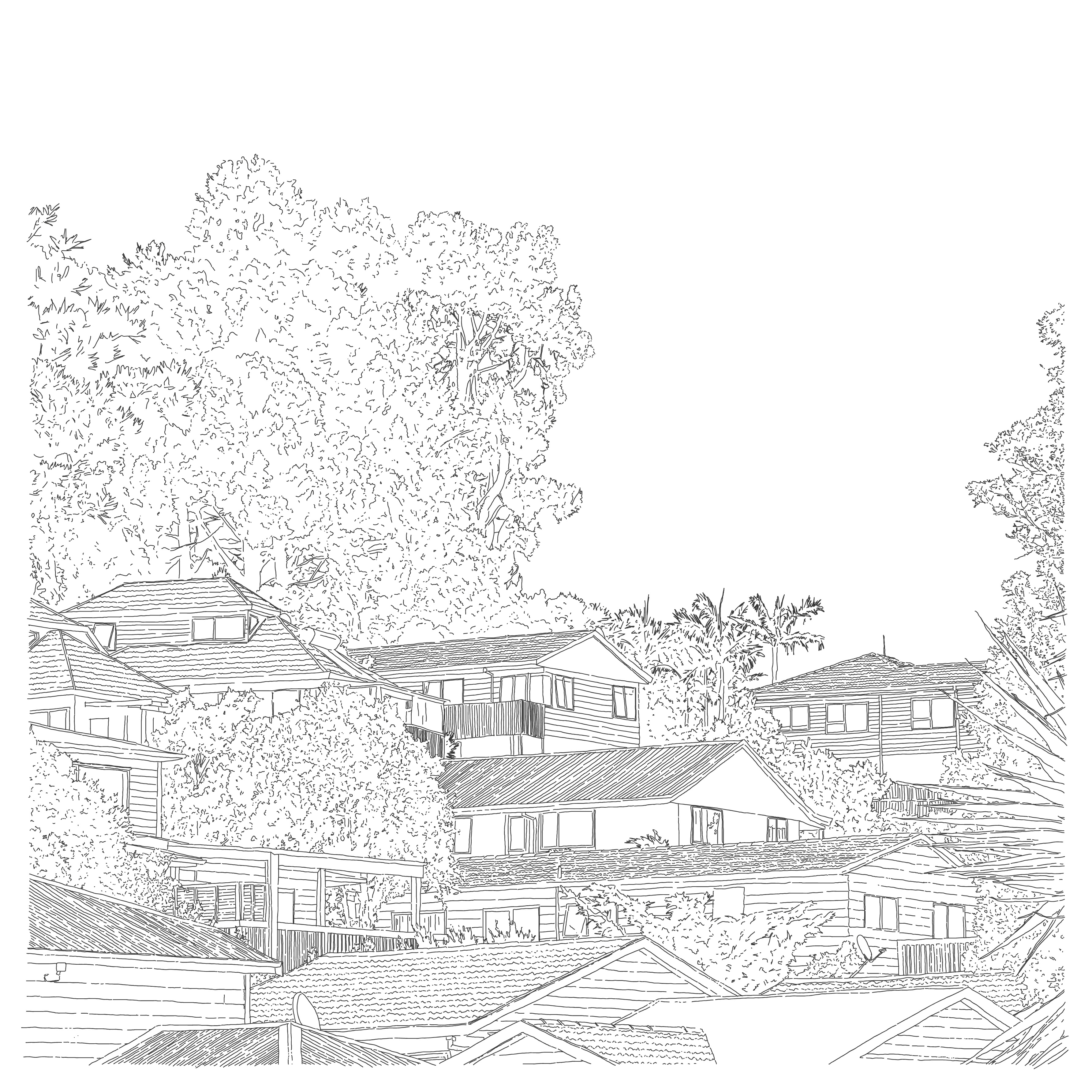
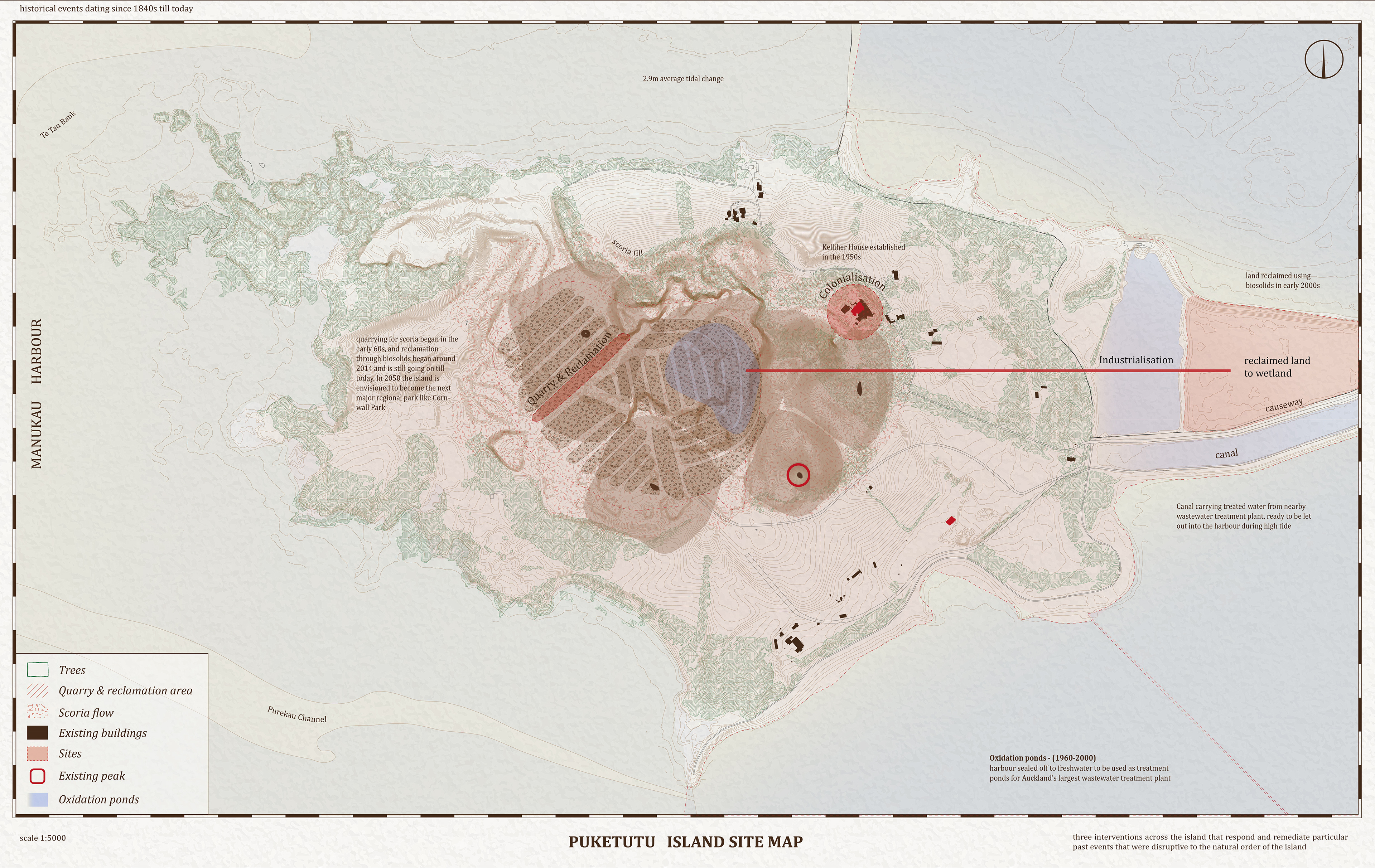
Puketutu has a long history of violent events that took place since the 1800s, from the destructive formation of the island, to the series of colonial and cultural events. Each historical event shaped the island to what it is today and gave it its rich history.
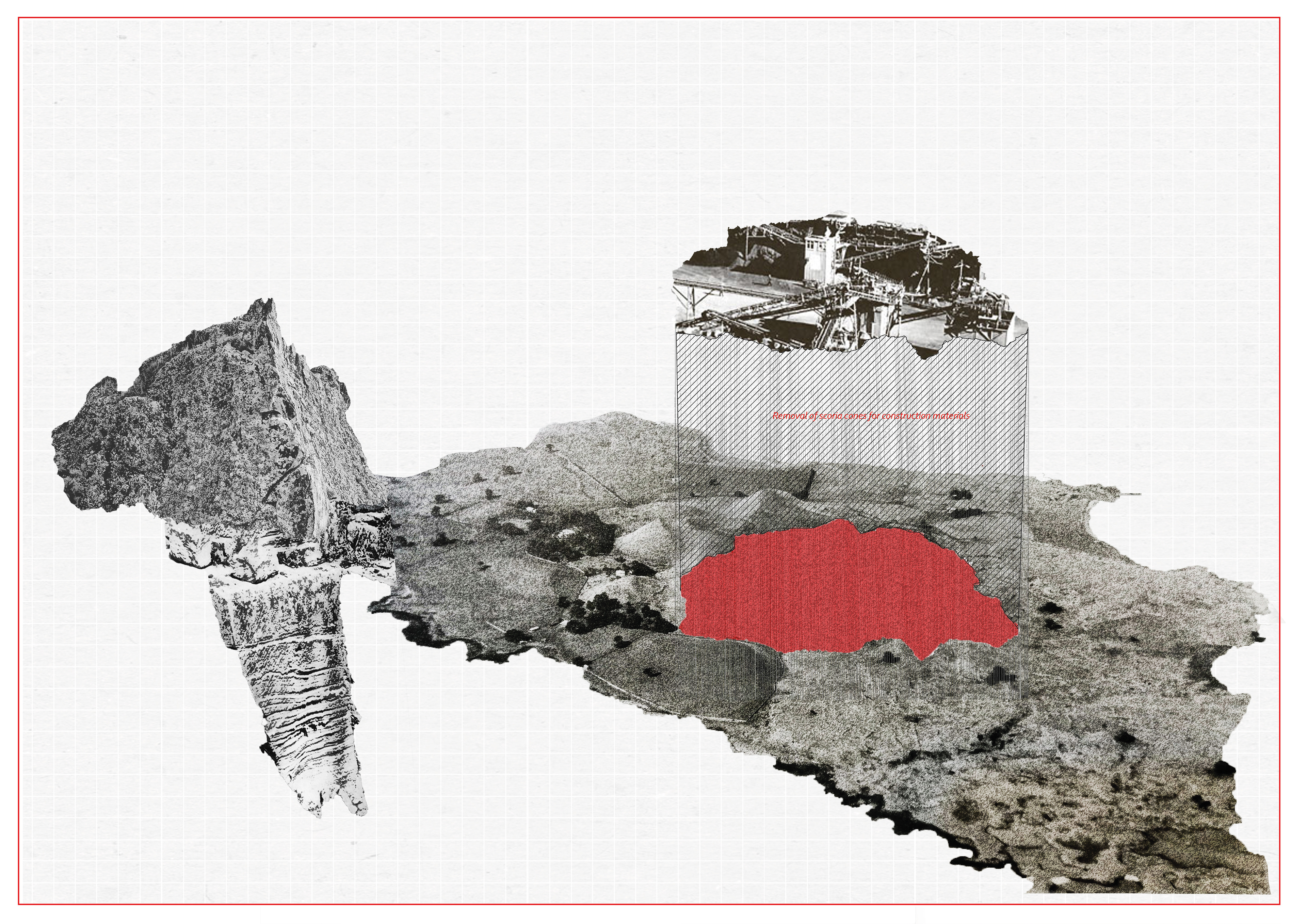
It is linked to the story of Hape, the founder of Tamaki Makaurau who first set foot on Aotearoa and claimed it as his new found land. It is mana whenua to the maori because of the Tainui waka that first sailed to the island. It has a history of industrialisation that began shortly after the Europeans had settled in the Manukau Harbour in the early 1800s. The establishment of the oxidation ponds is one key event that took place in the late 90s, disrupting the natural order of the island and its people. Soon after, Sir Henry Kelliher arrived on the island bringing along with him his artefacts from around the world which he stored on the island, making it a little kingdom of his own. During his time, the island was heavily quarried for construction materials for local projects including the extension of the Auckland airport runway, so much so that now only one peak out of the five remain. Recently, the Kelliher trust decided to return the island to its former state and signed a contract with Watercare, who are using biosolids from the nearby wastewater treatment plant to restore the original state of the island.
As a response to this series of incredible events, my museum proposal aims to address the socio-political and cultural issues that arose due to these events through the context of remediating interventions. I aim to address the key events through a set of interventions that hold water as the main remediating element. Each intervention makes a direct commentary and response to its past event and aims to nullify the adverse effects of past actions to look towards a brighter and more thoughtful future.
INDUSTRIALISATION
History:
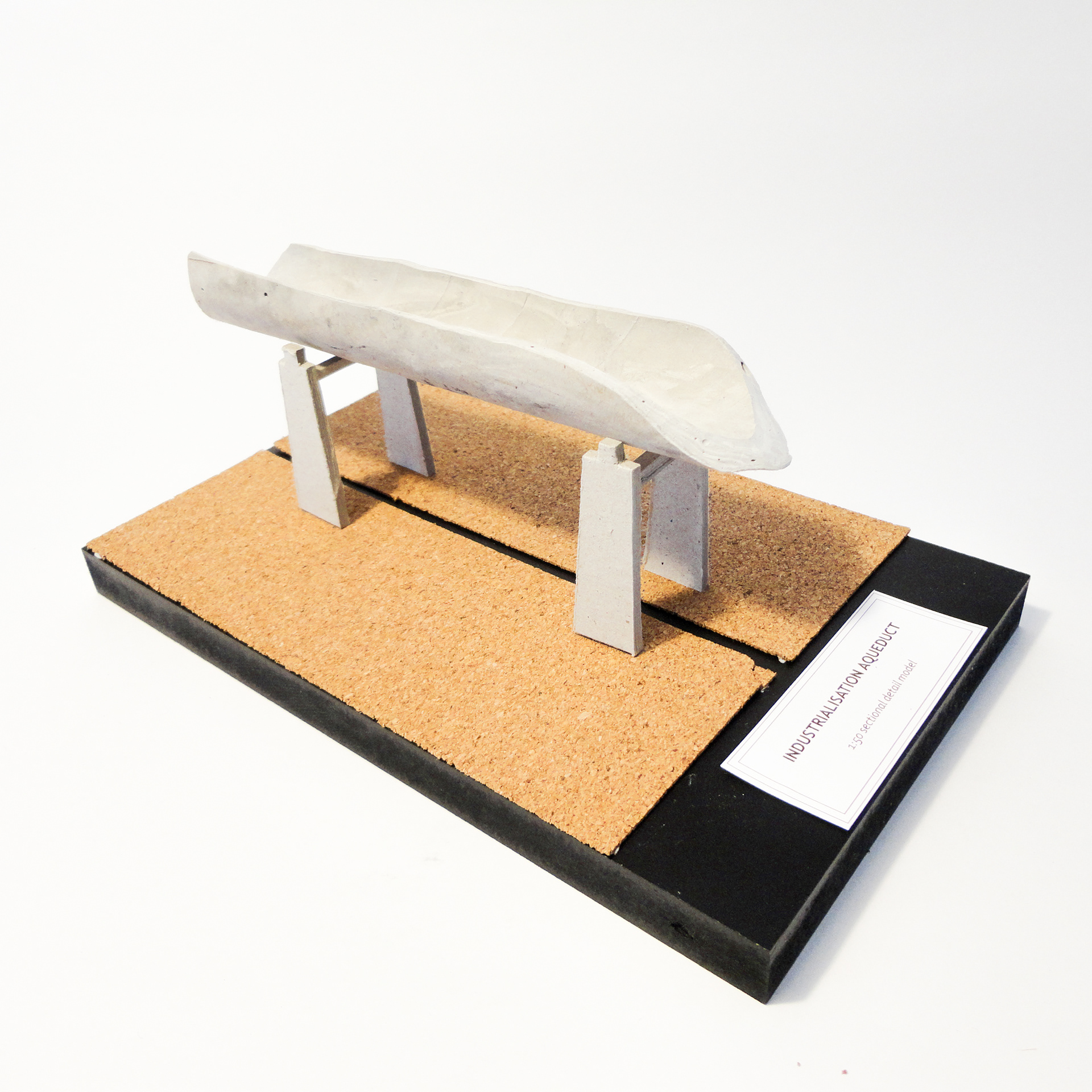
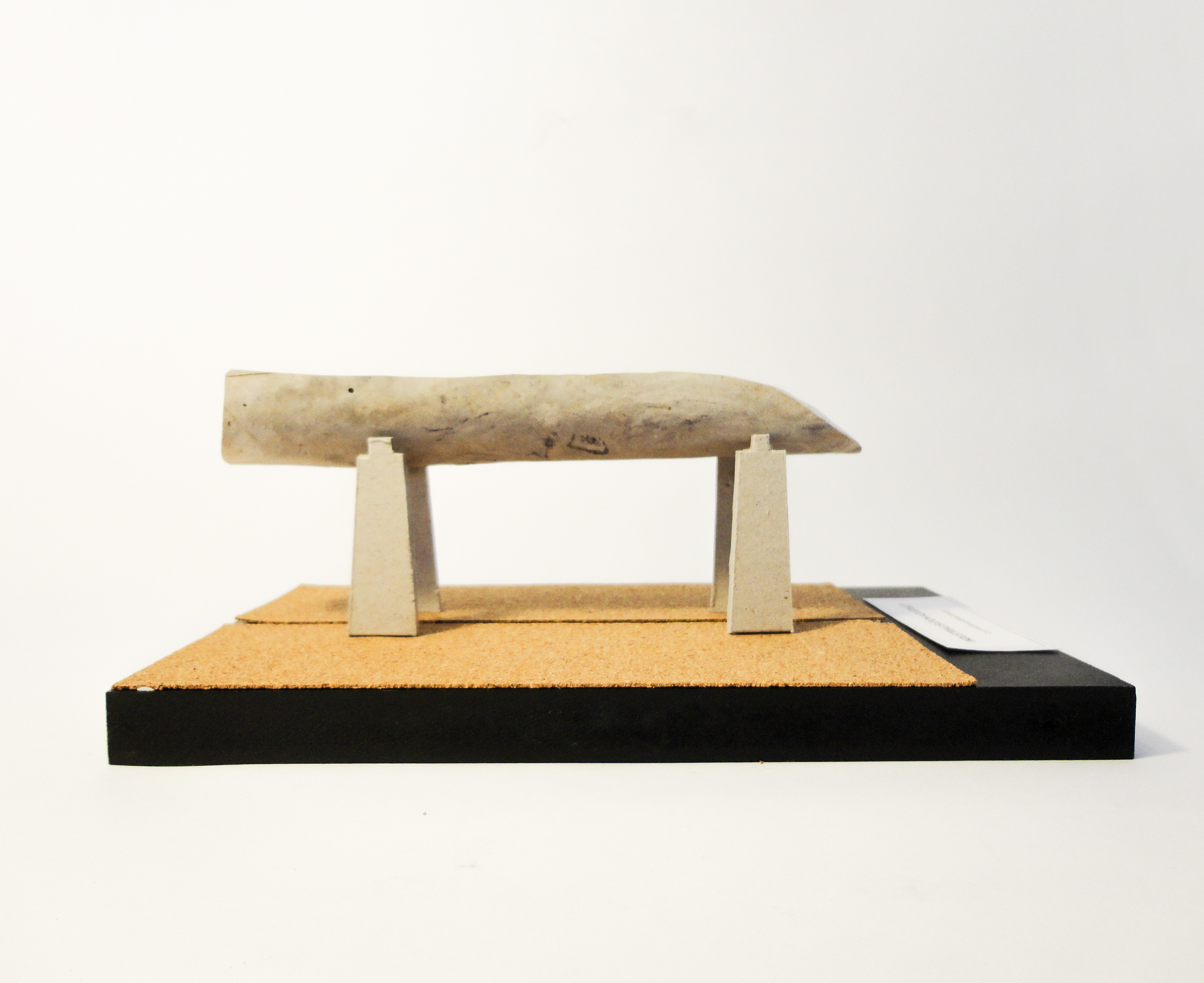
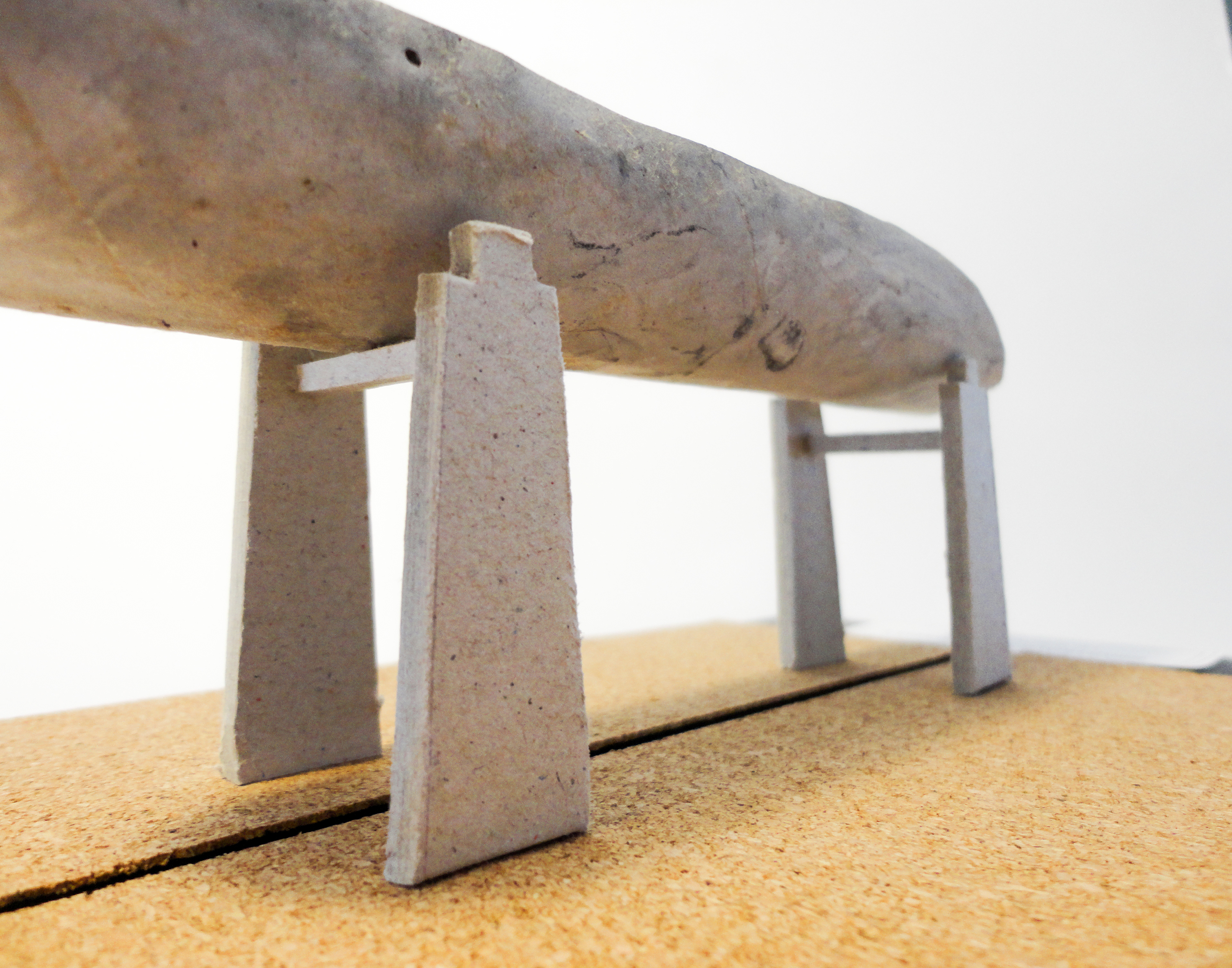
In the 1960s, oxidation ponds were set up closing the harbour to fresh tides of water. This had a drastic effect on the species living on the island and the Maori who used the harbour as a food bowl. Later on in the early 2000s, the ponds were decommissioned and until today efforts are being made towards restoring the original quality of the harbour water.
Remediation:
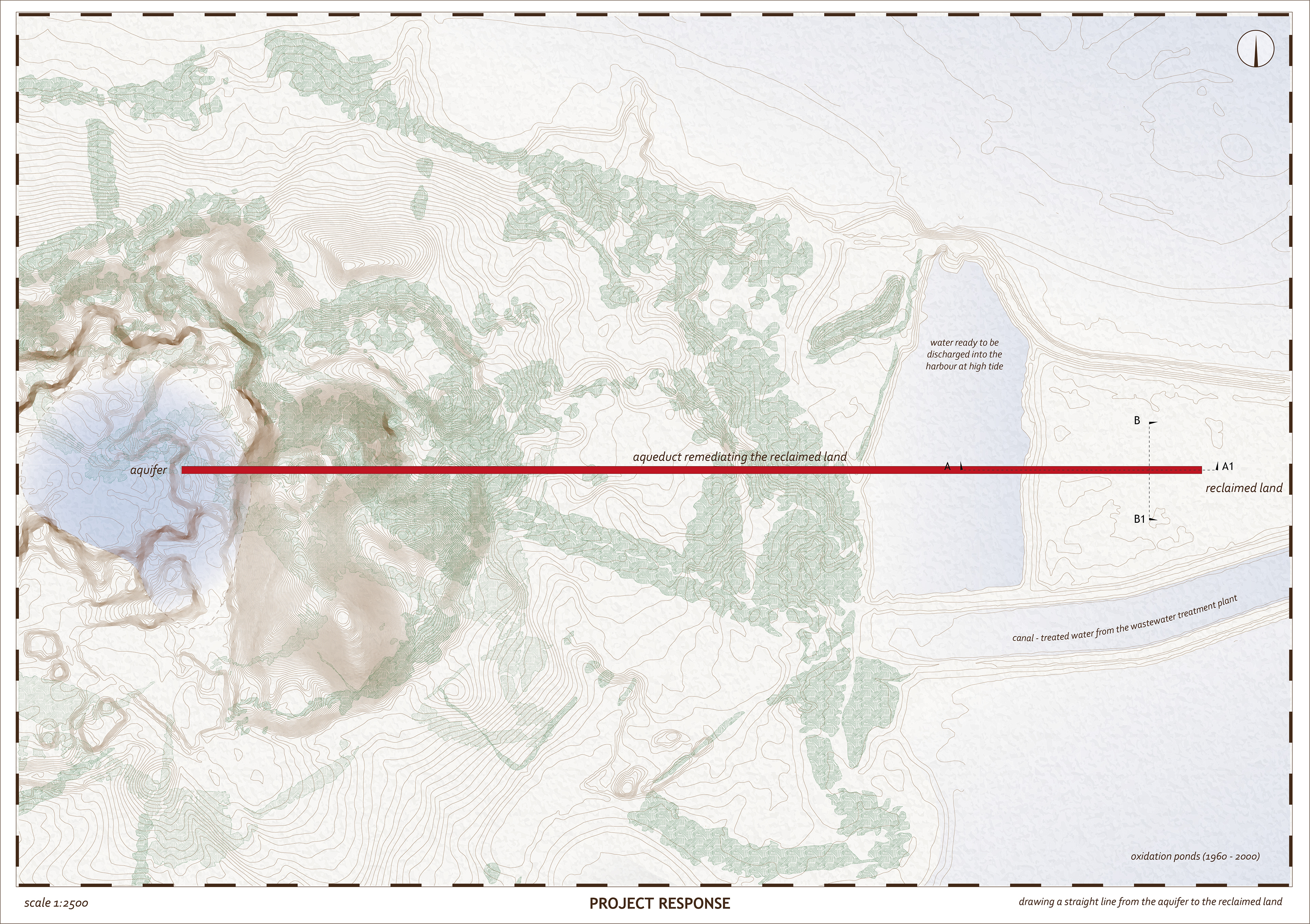
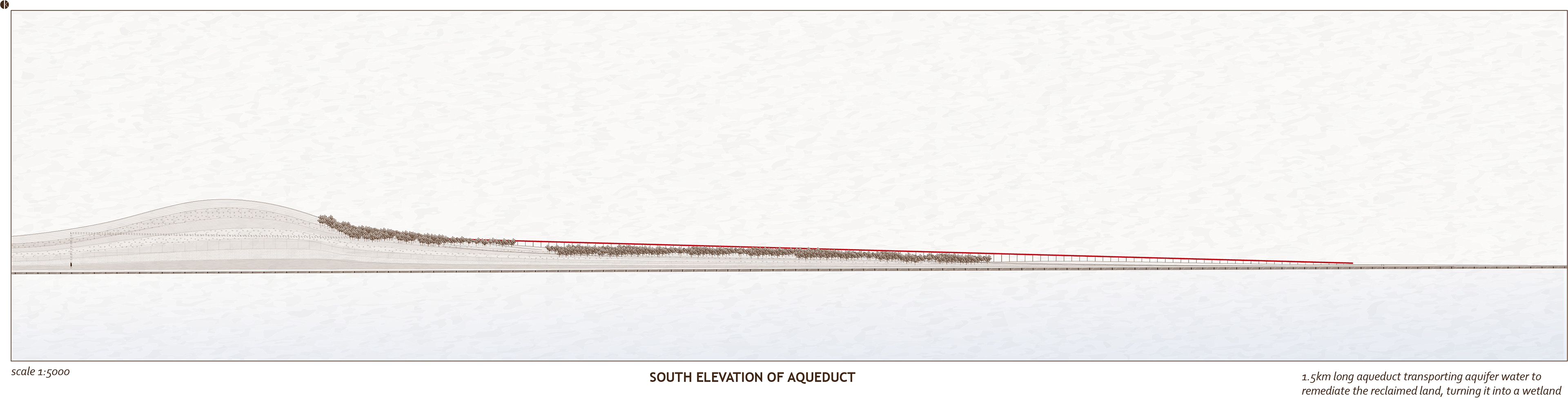
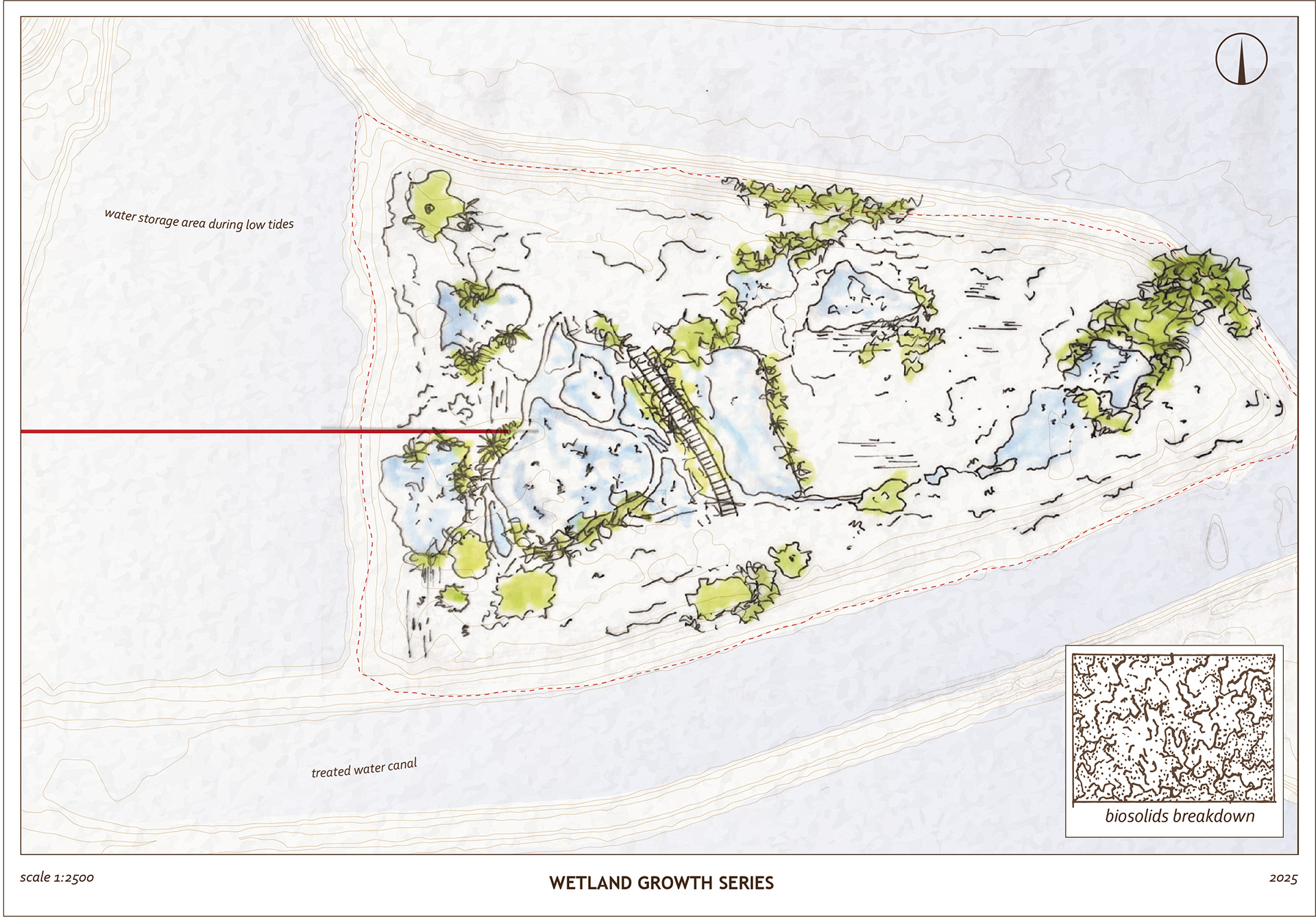
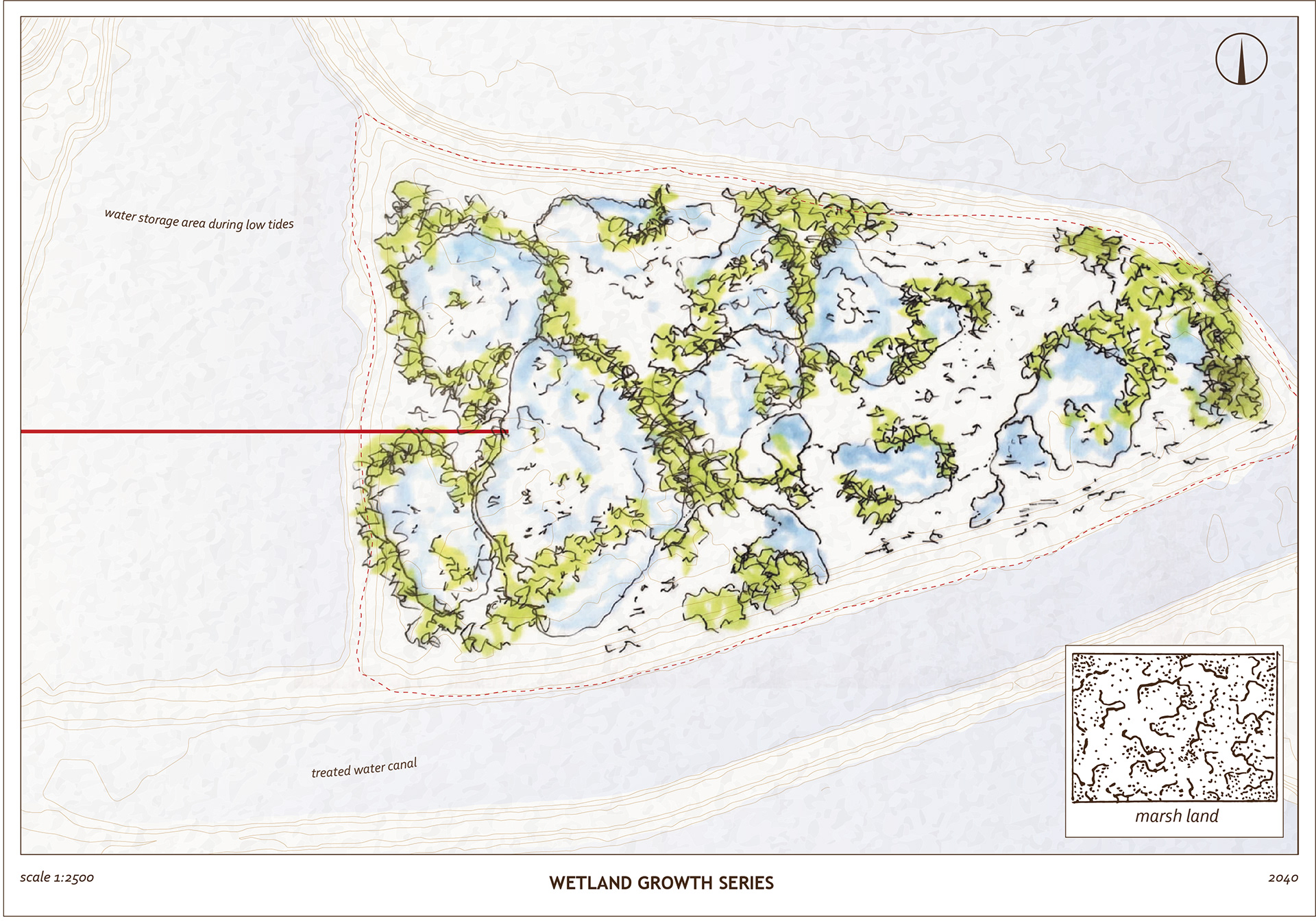
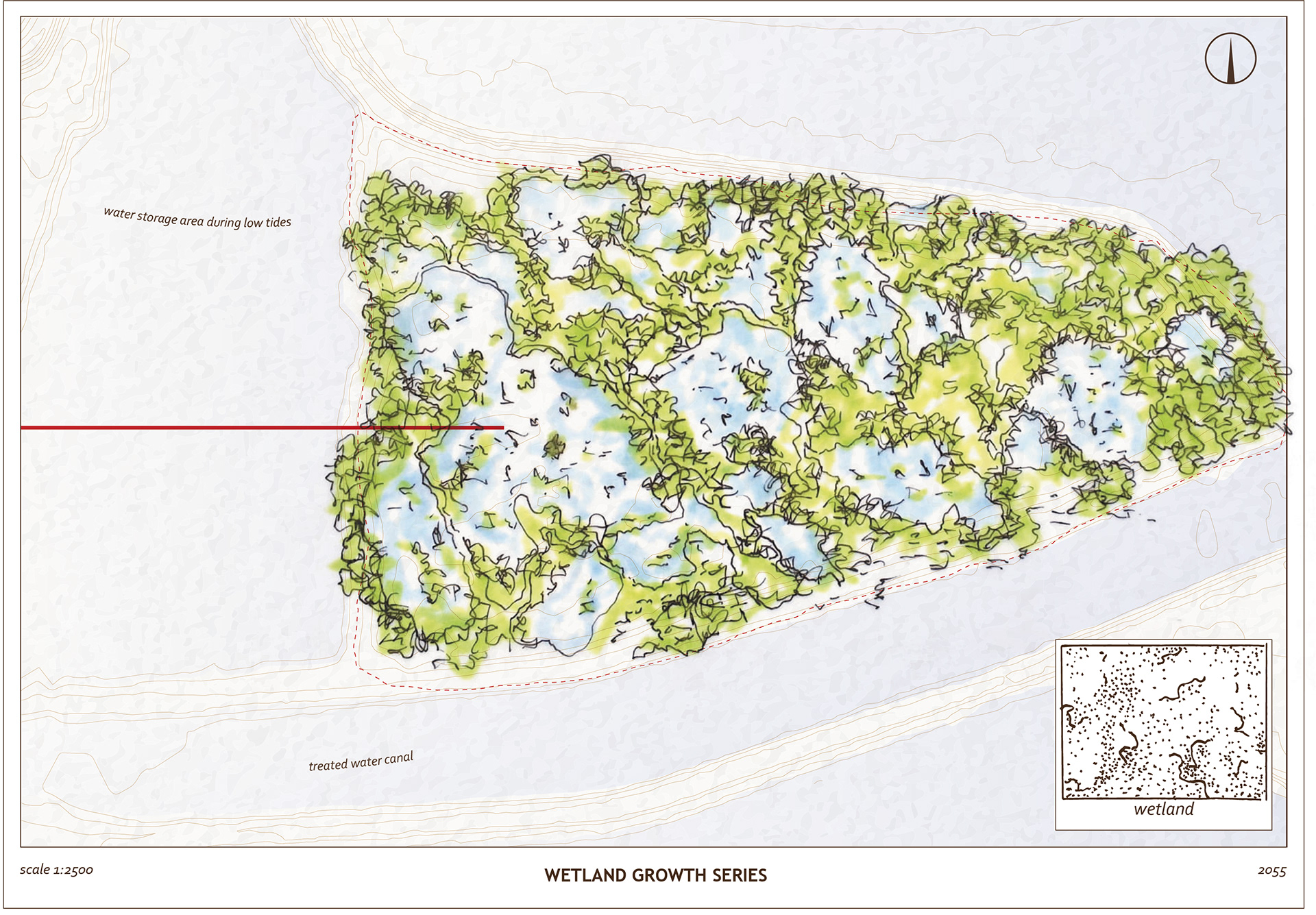
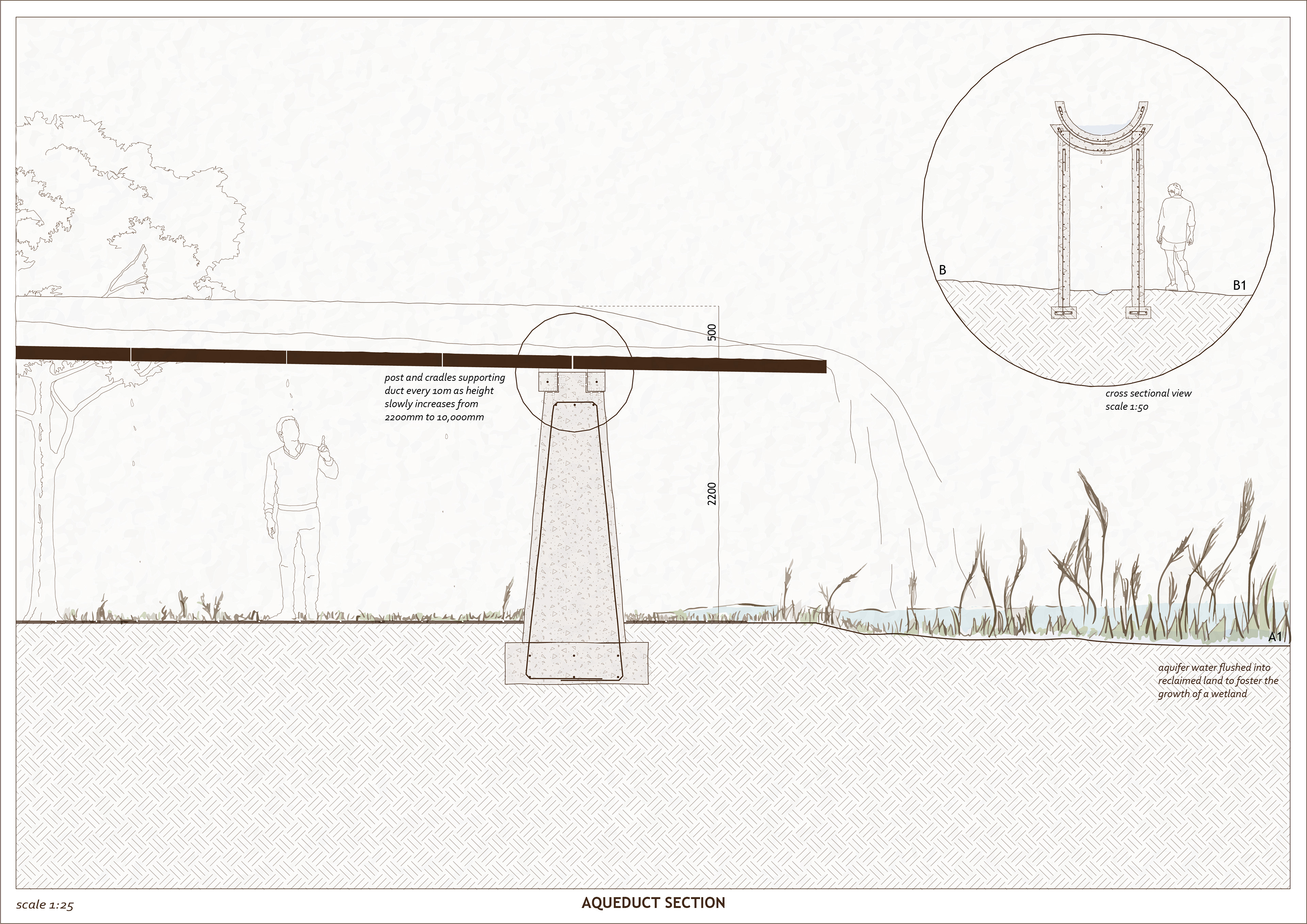
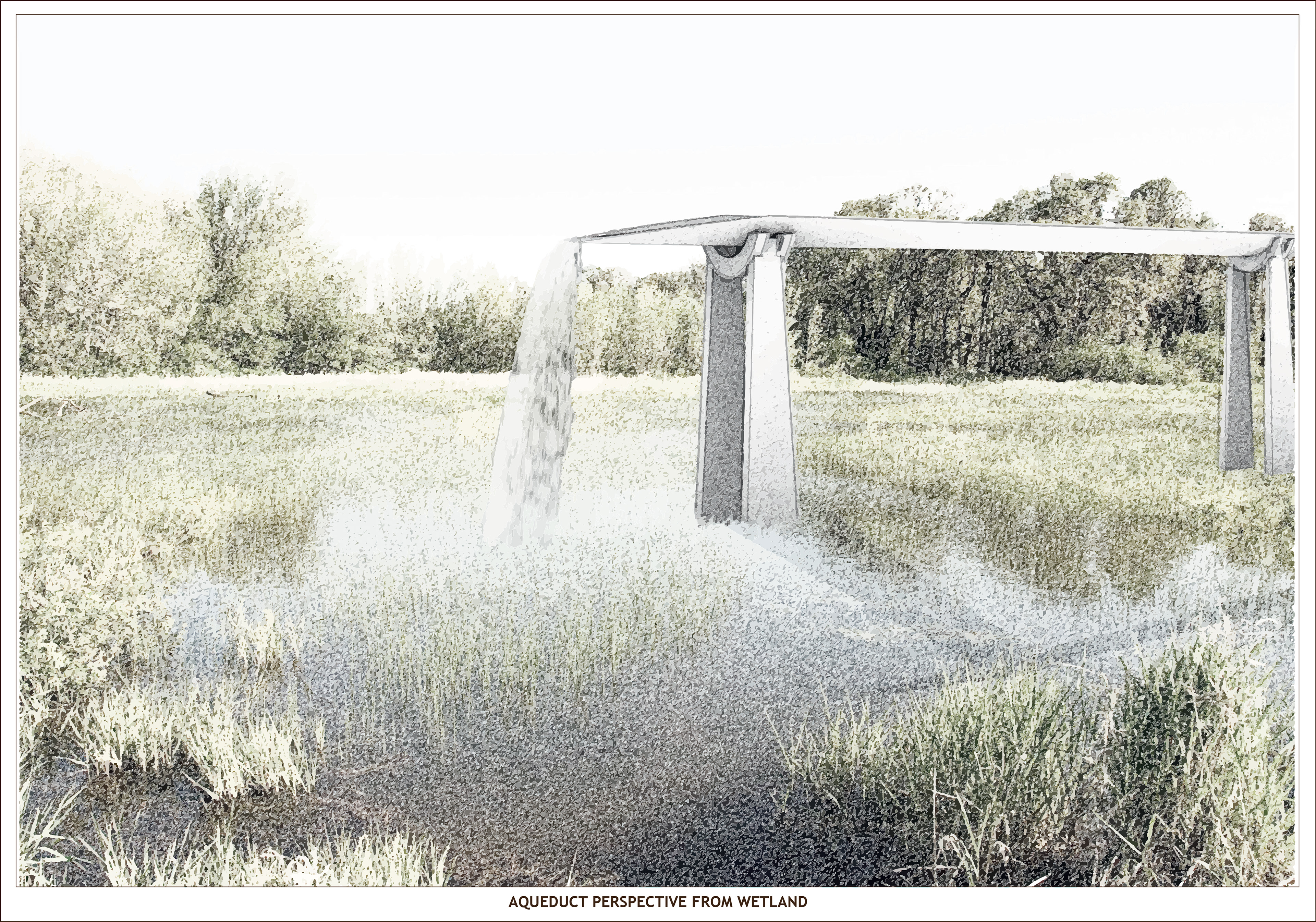
Using fresh groundwater from the aquifer beneath Puketutu Island to flush out the reclaimed land made from biosolids, and turning it into a wetland as a way of restoring the natural order of the island and its people which was damaged by the pollution of the harbour by the wastewater treatment plant.
COLONIALISM
History:
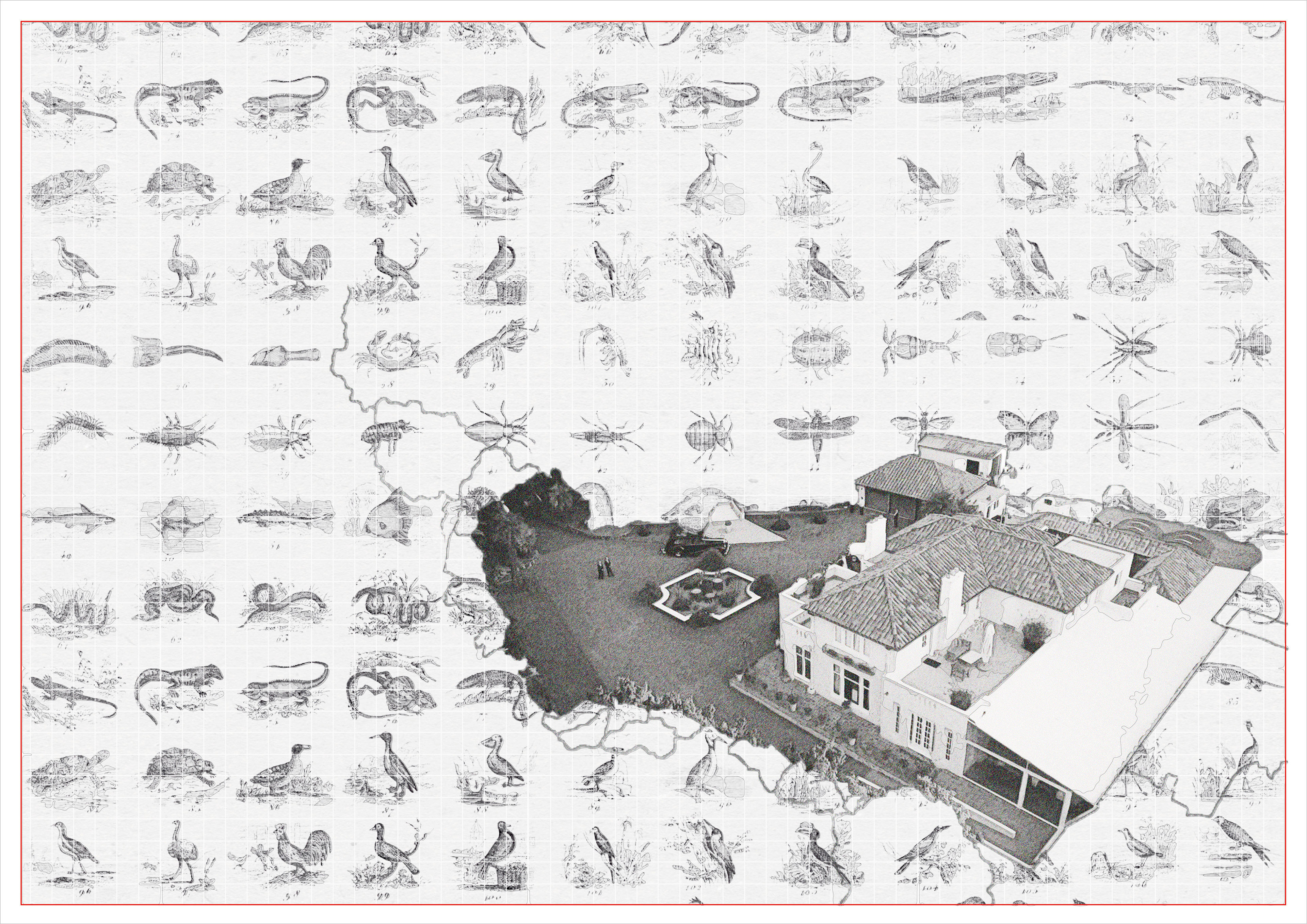
As European settlement began, many changes were made to the lifestyles of the Maori and the different species living on the island. Many changes were brough about by Sir Henry Kelliher who bought the land in the early 1840s, turning it into a little kingdom of his own. Drawing from the quote “to own an island is to have full control over it”, he established the Kelliher house with artefacts from around the world, creating his own little heterotopia.
Remediation:
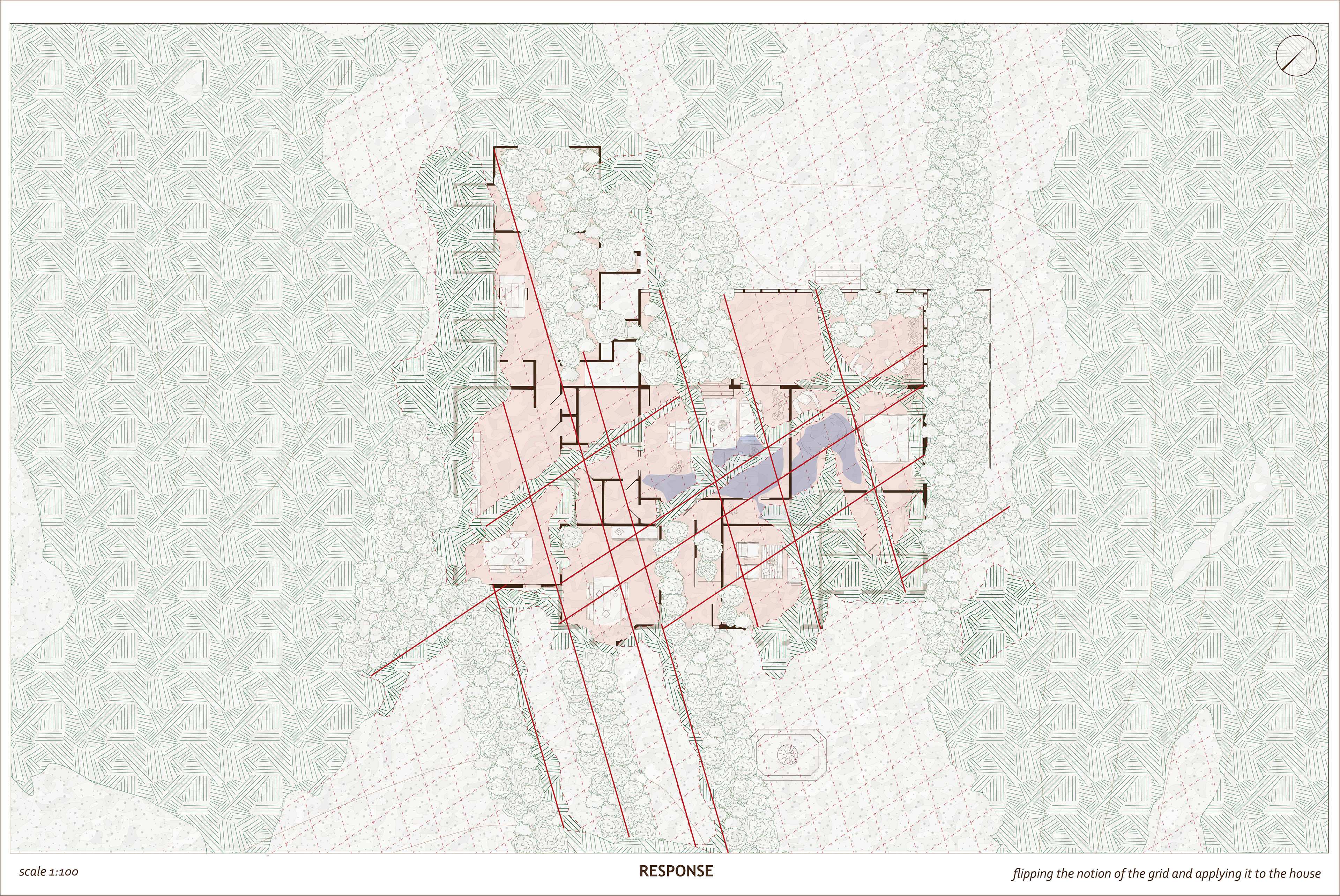
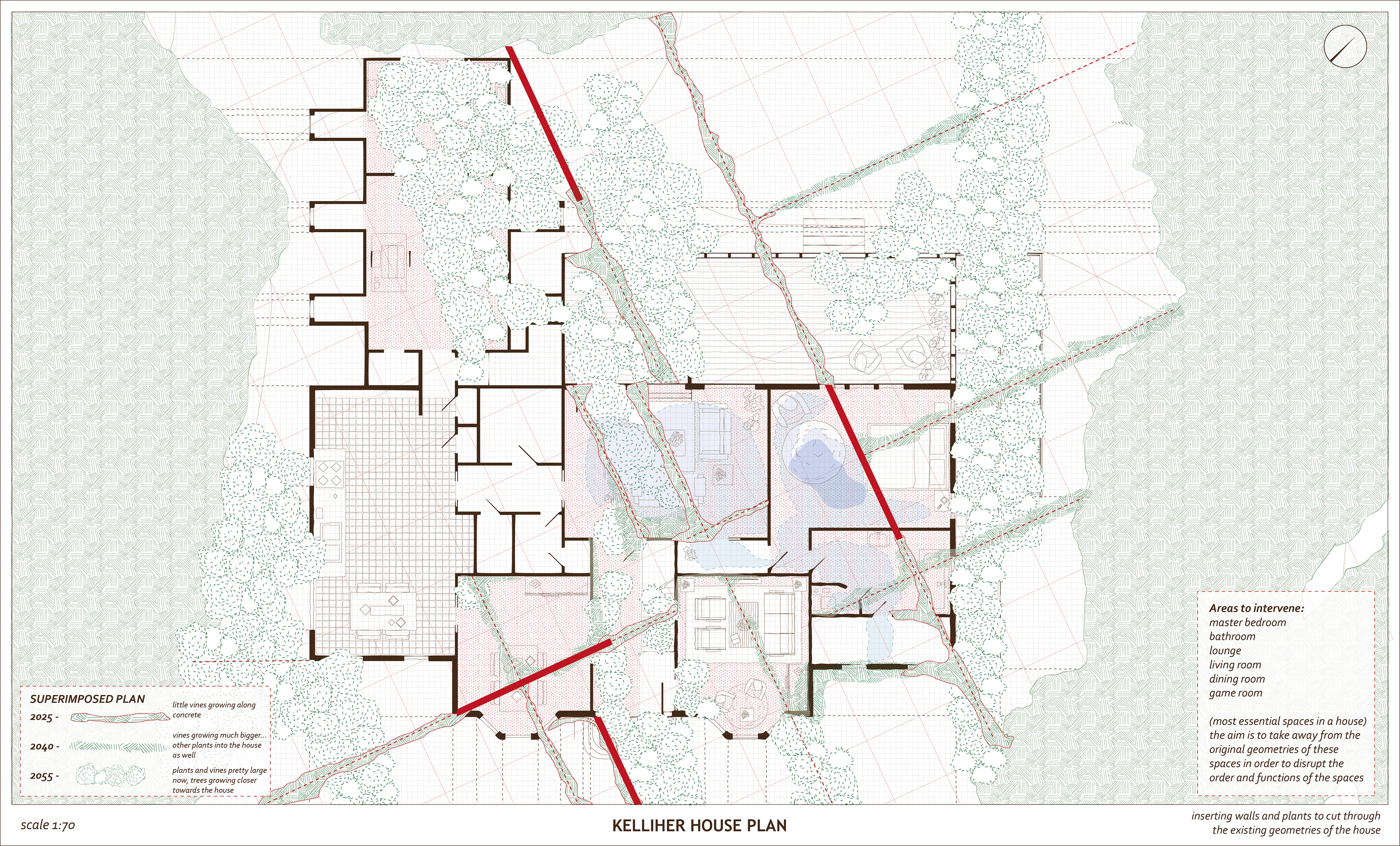
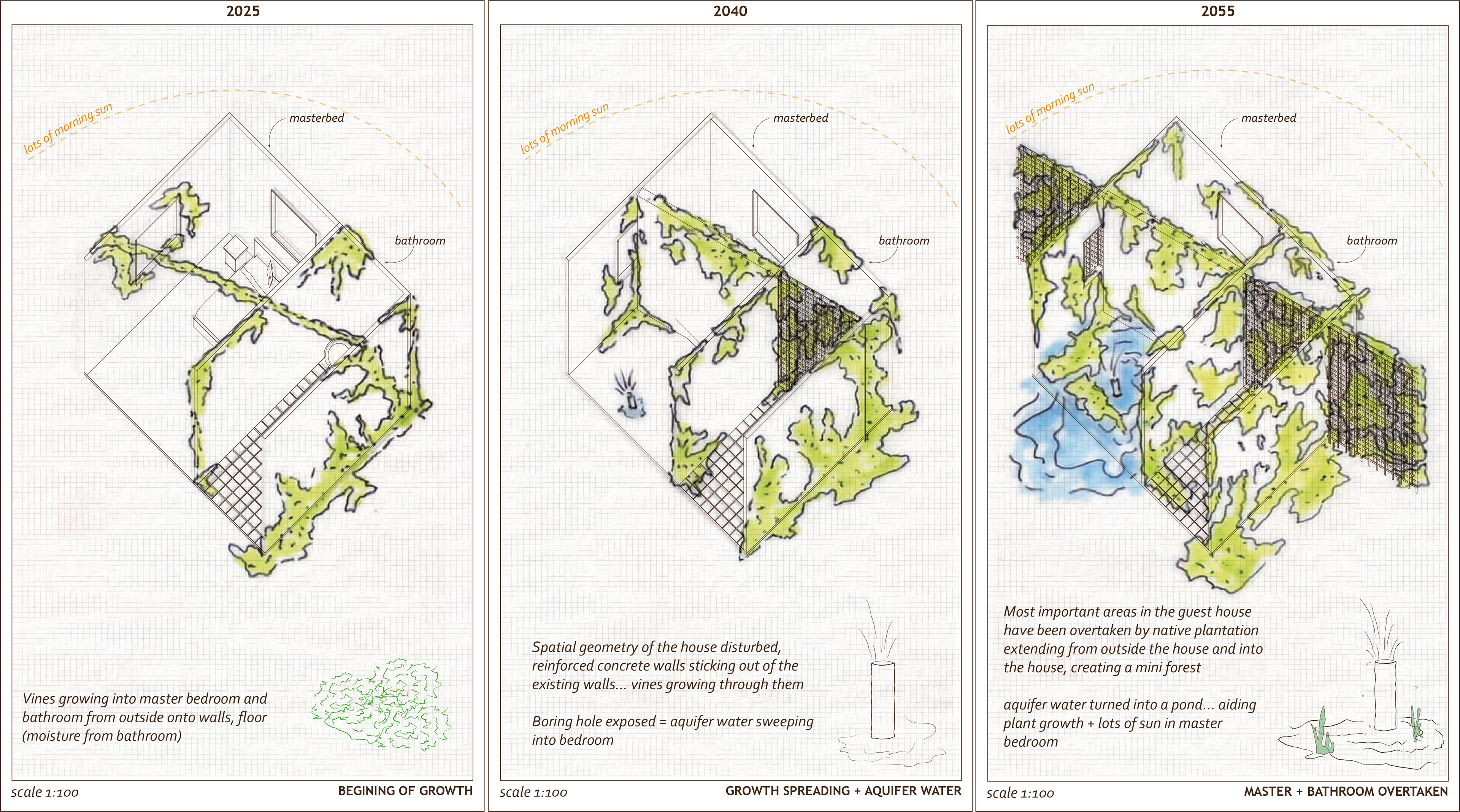
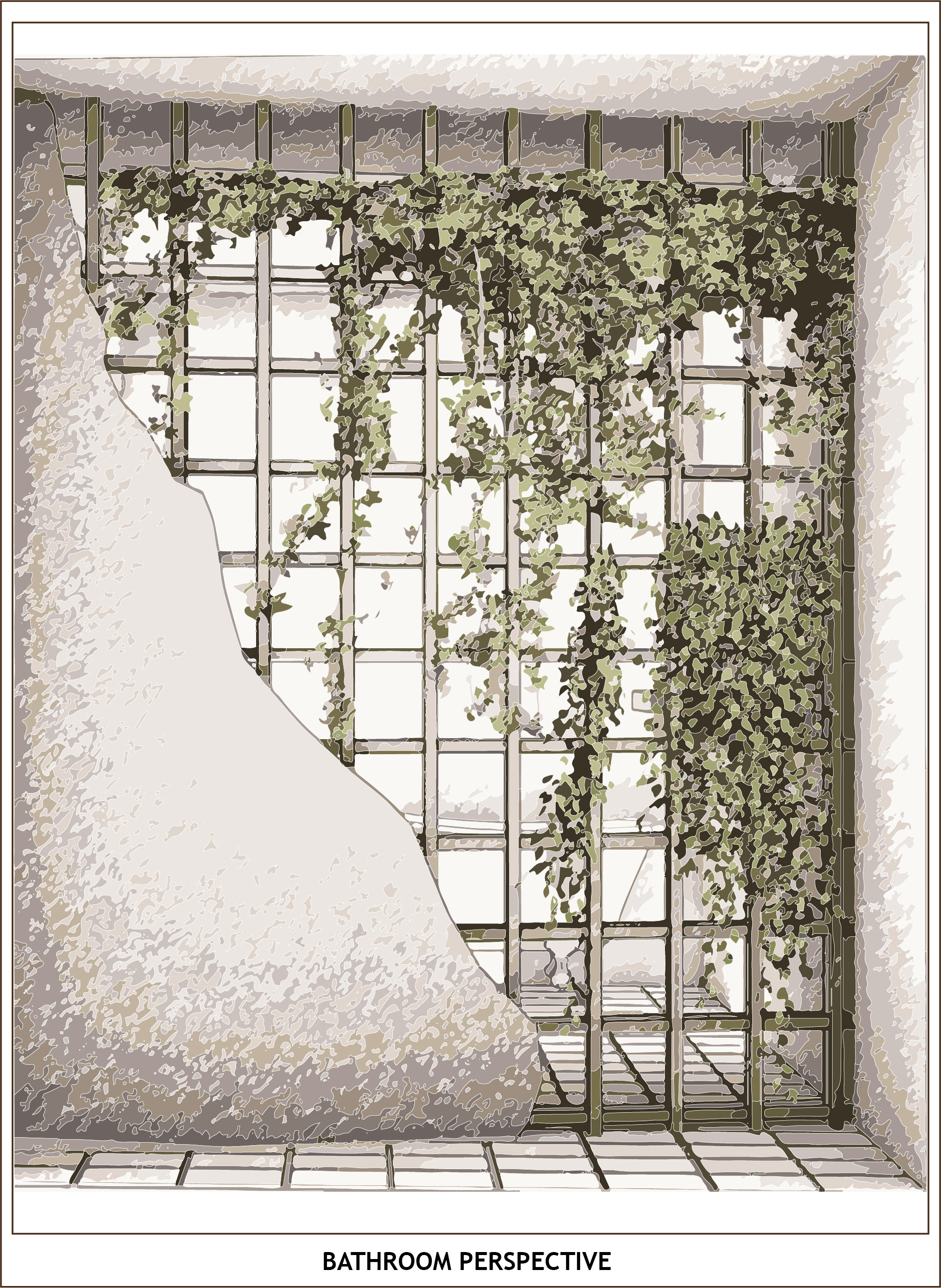
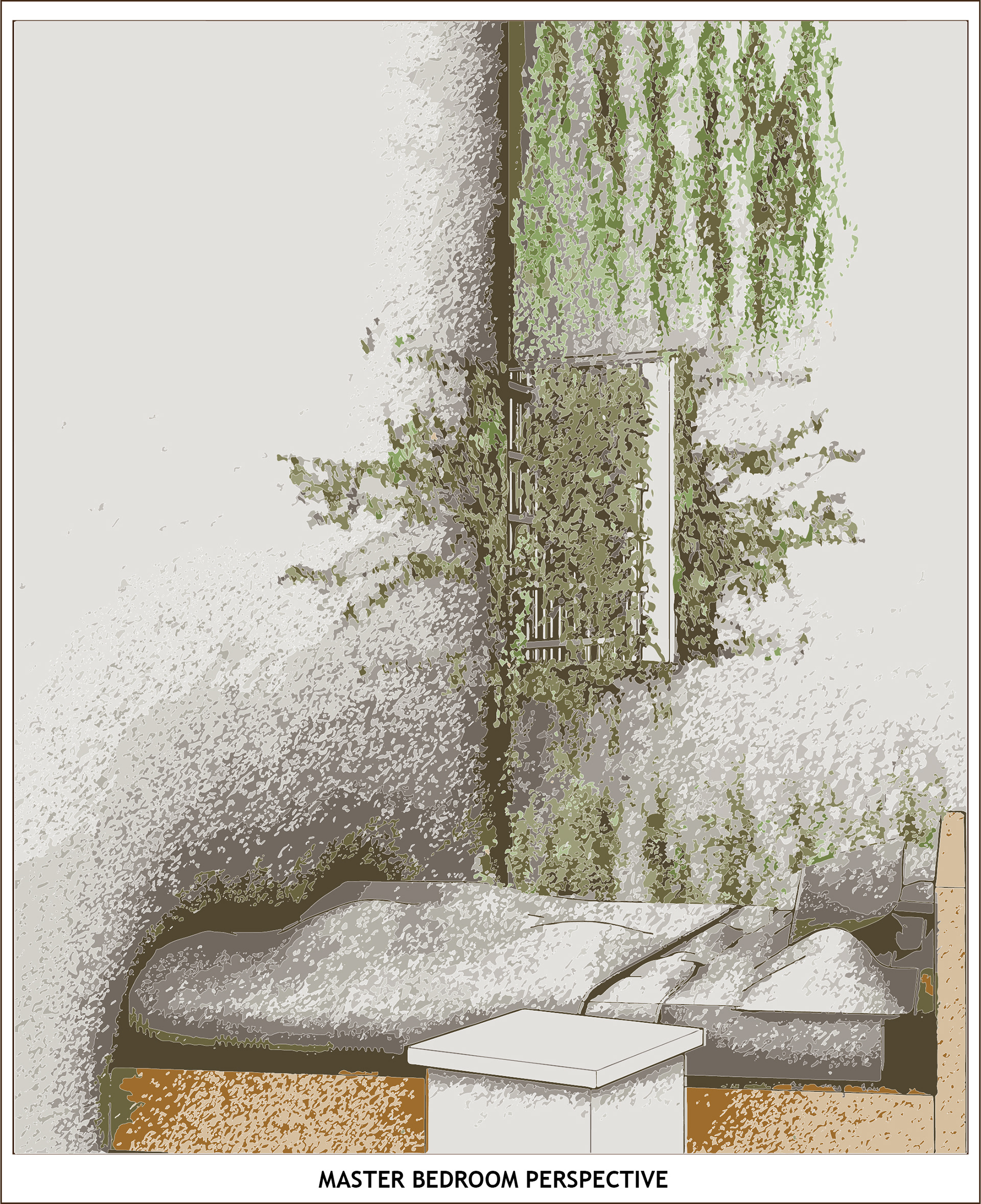
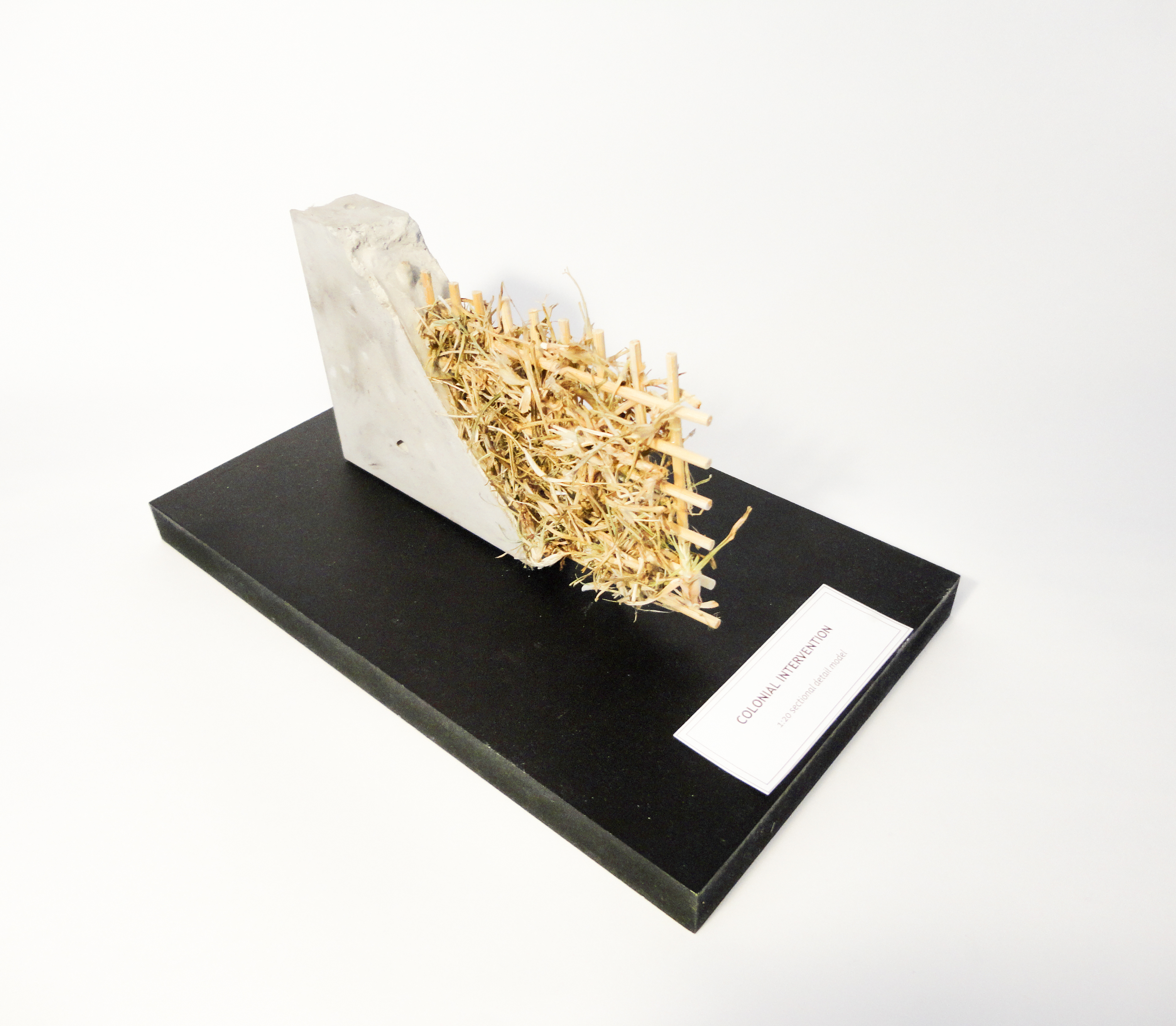
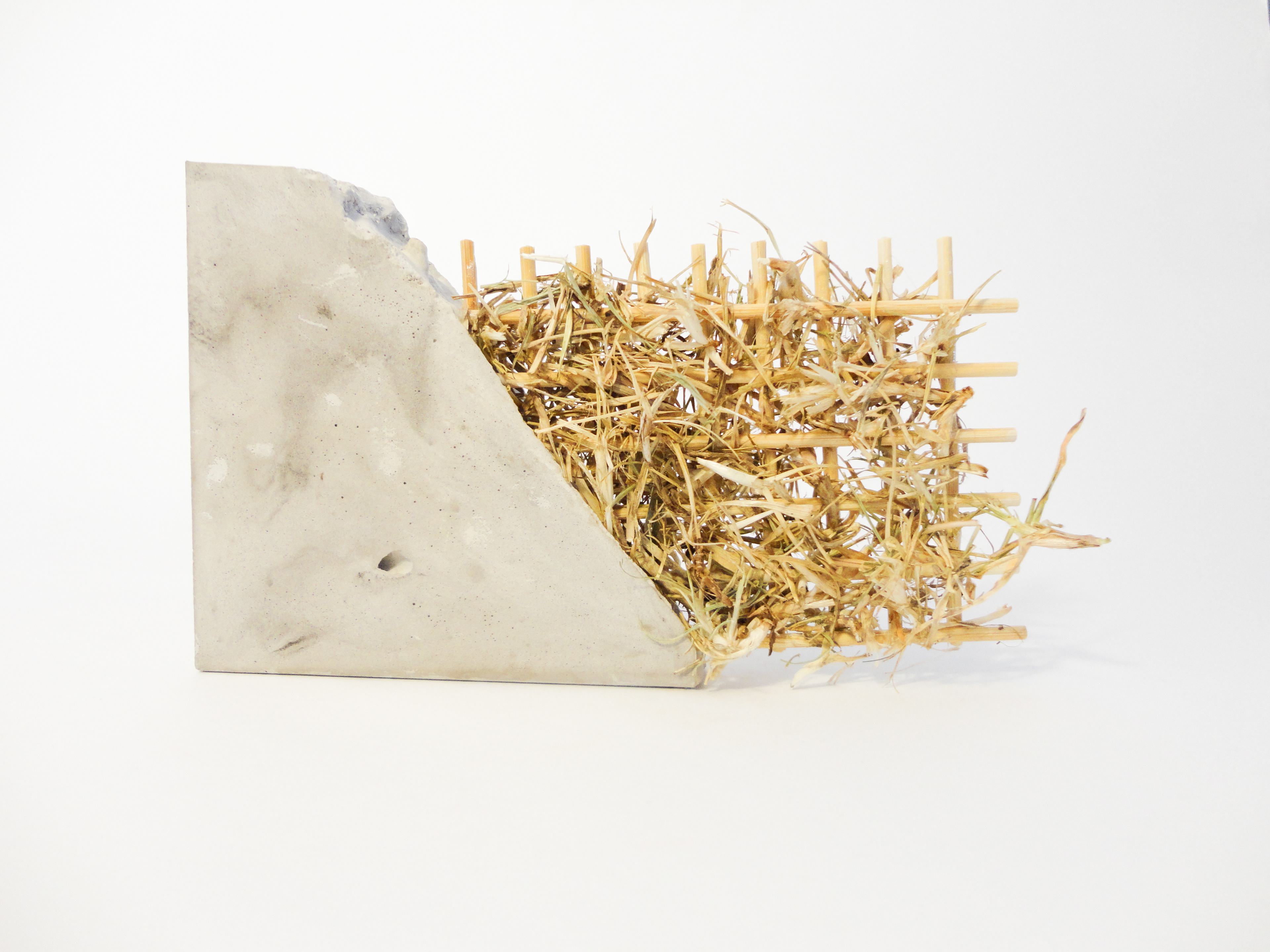
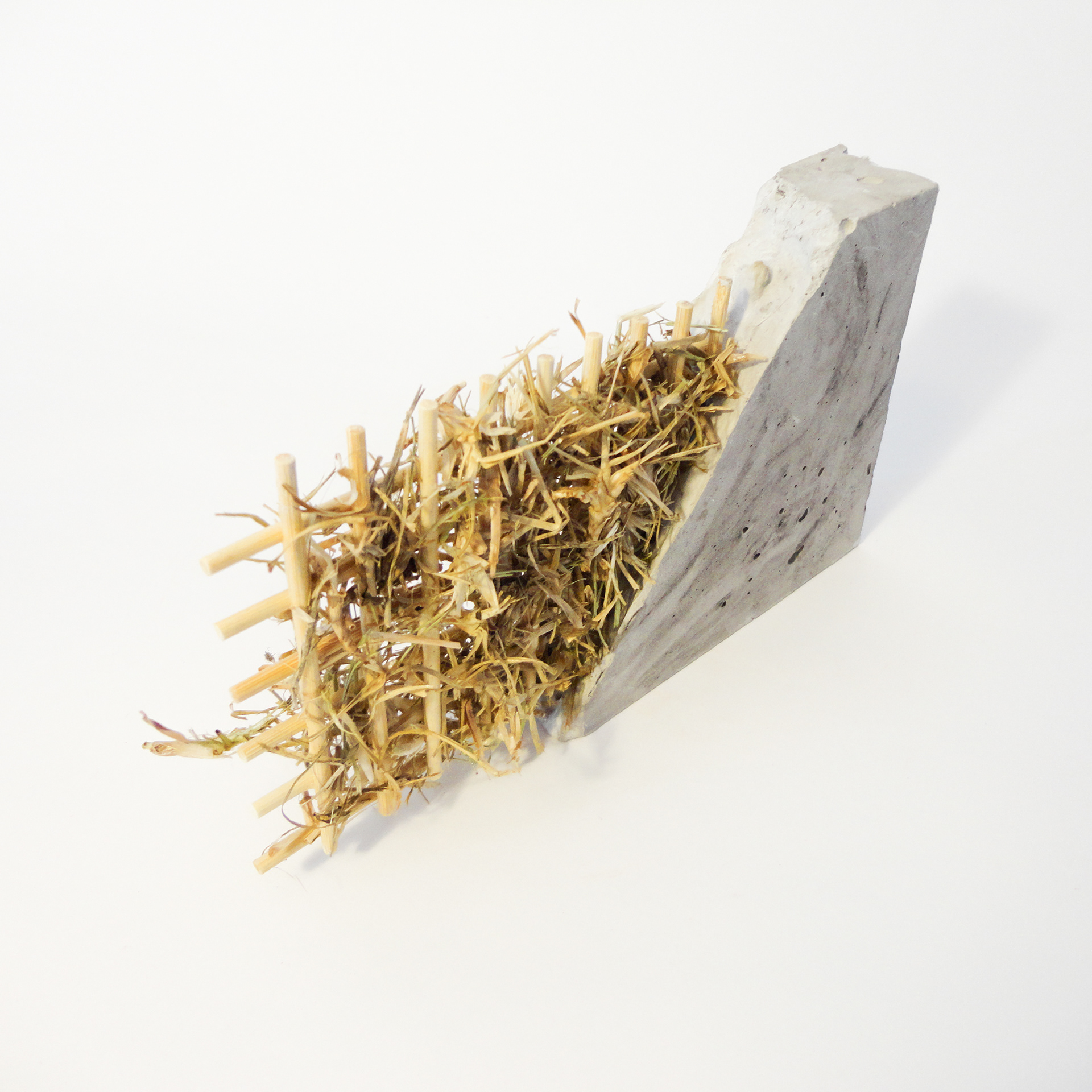
The proposal examines Kelliher’s effect on the island which is visualised in the notion of the grid. This notion is flipped, where the remaining symbol of Kelliher (the house) is turned into an object to experiment with and to apply the grid to.
QUARRY & RECLAMATION
History:
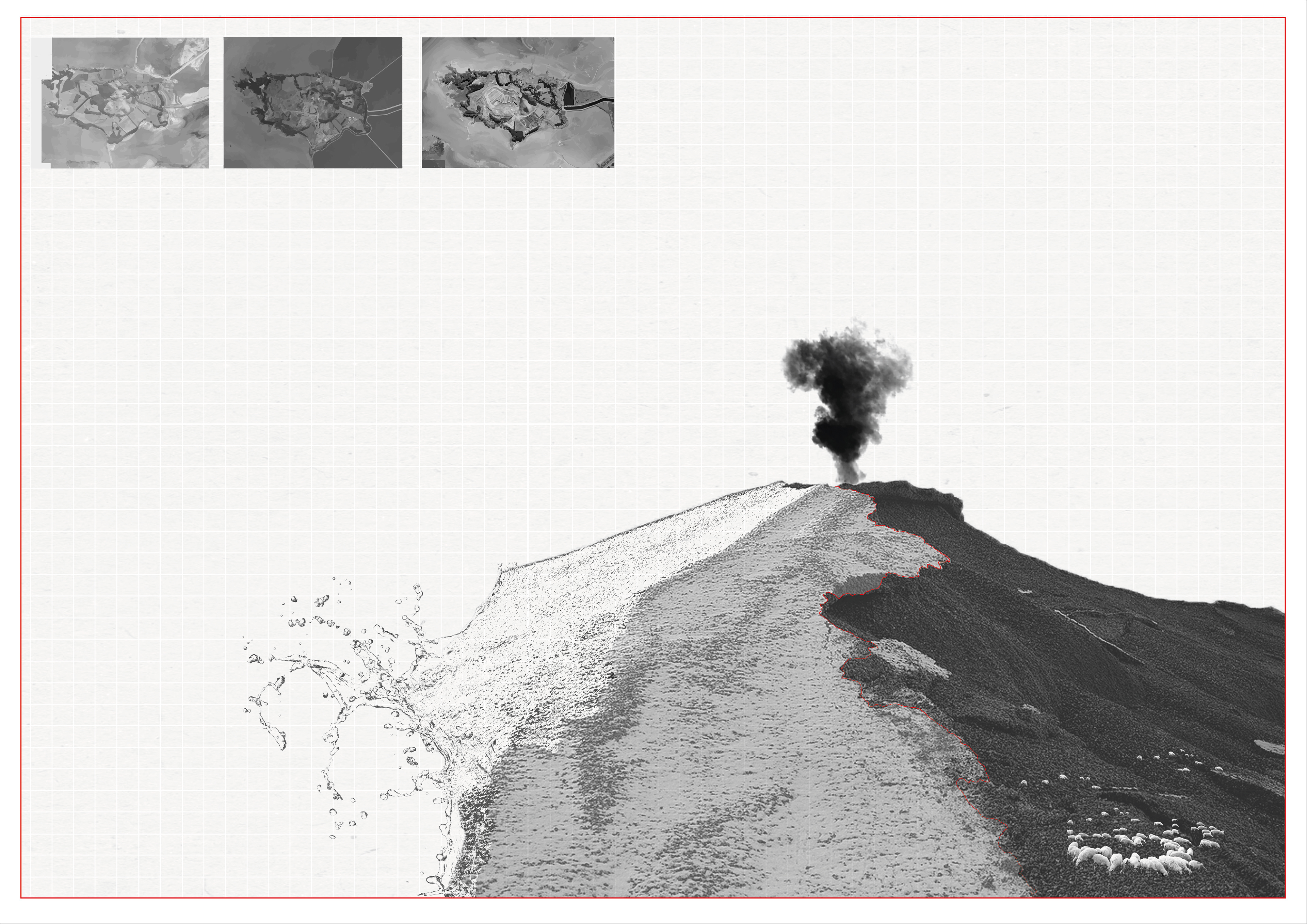
In the early 1800s large scale projects and rapid bloom in industrialisation called for an increase in building materials which were mainly sourced from volcanic cones containing scoria and basalt. Similarly, four peaks out of five were quarried away from the island for local projects leaving only one peak. In 2010s, watercare decided to rebuild the original contours and peaks on the island using biosolids. In 2050 it is envisioned to become a regional park much larger than Cornwall Park.
Remediation:
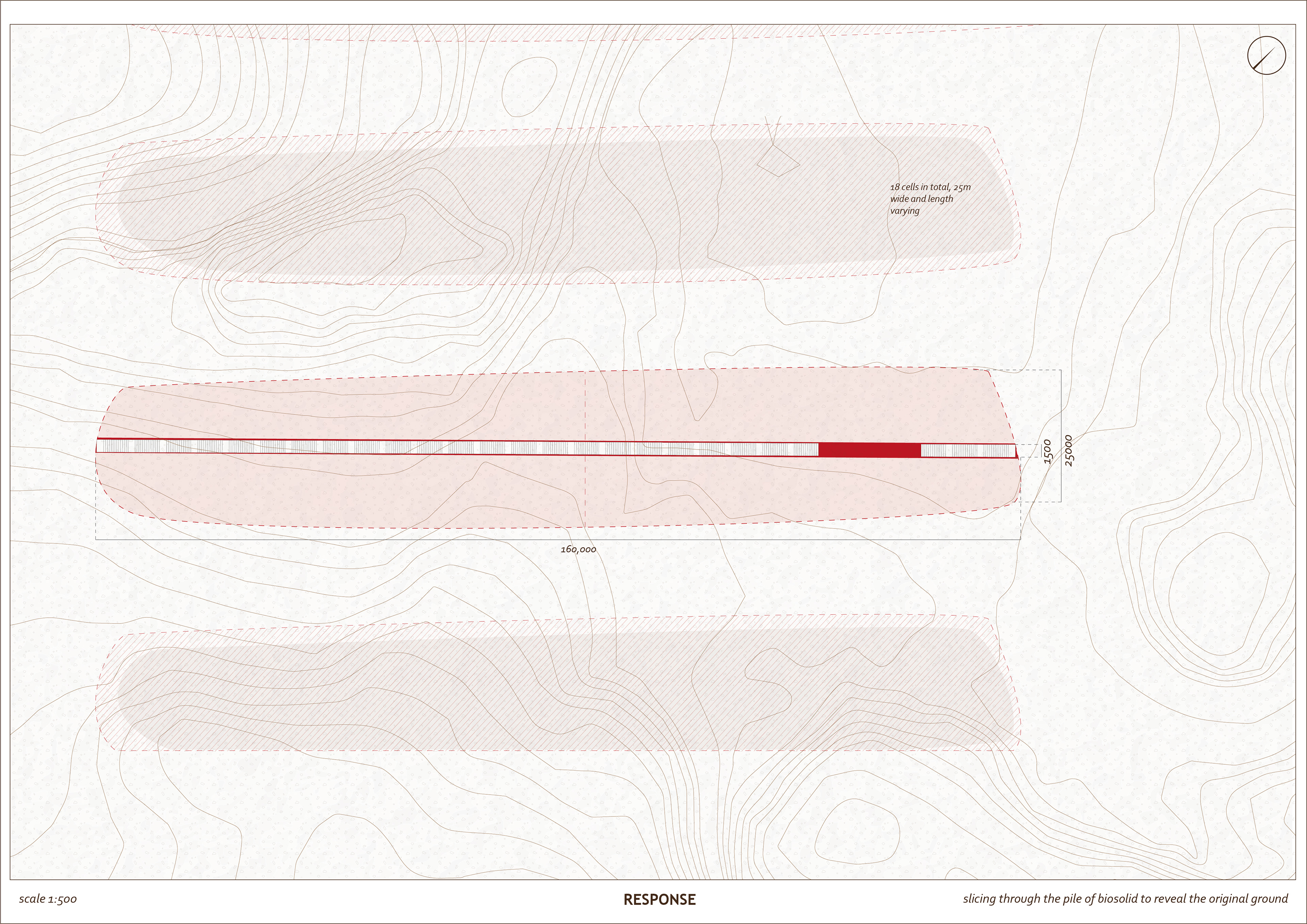
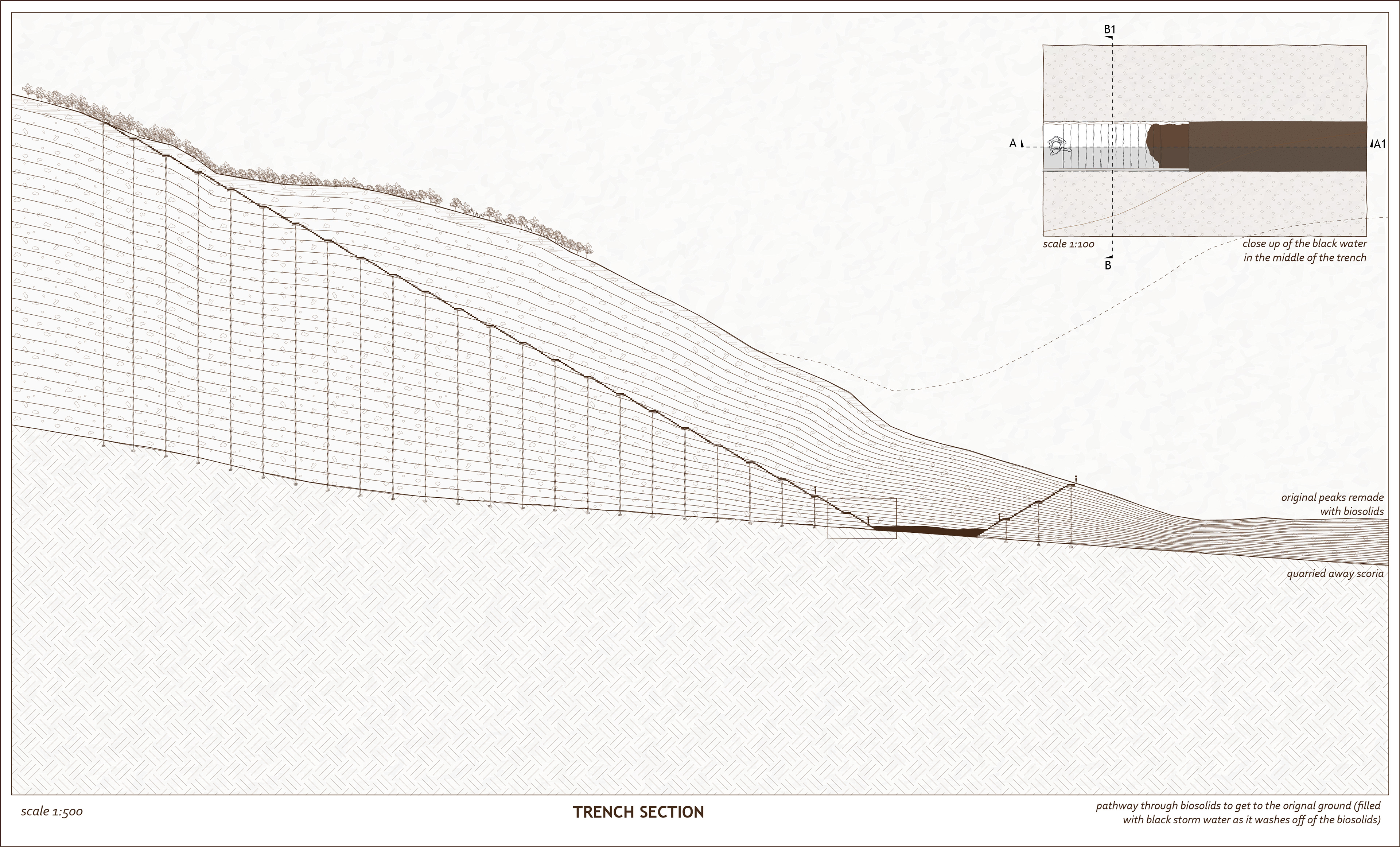
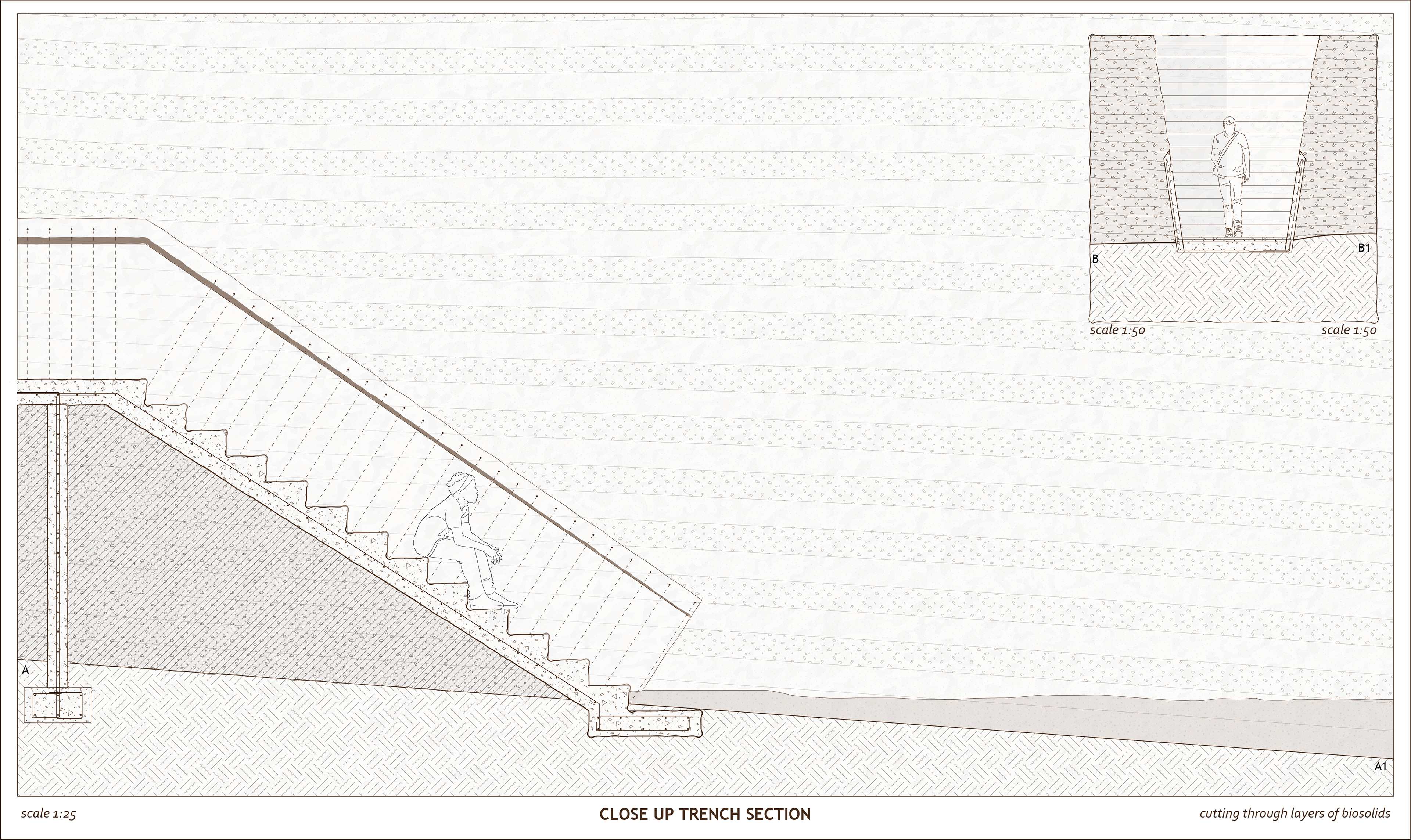
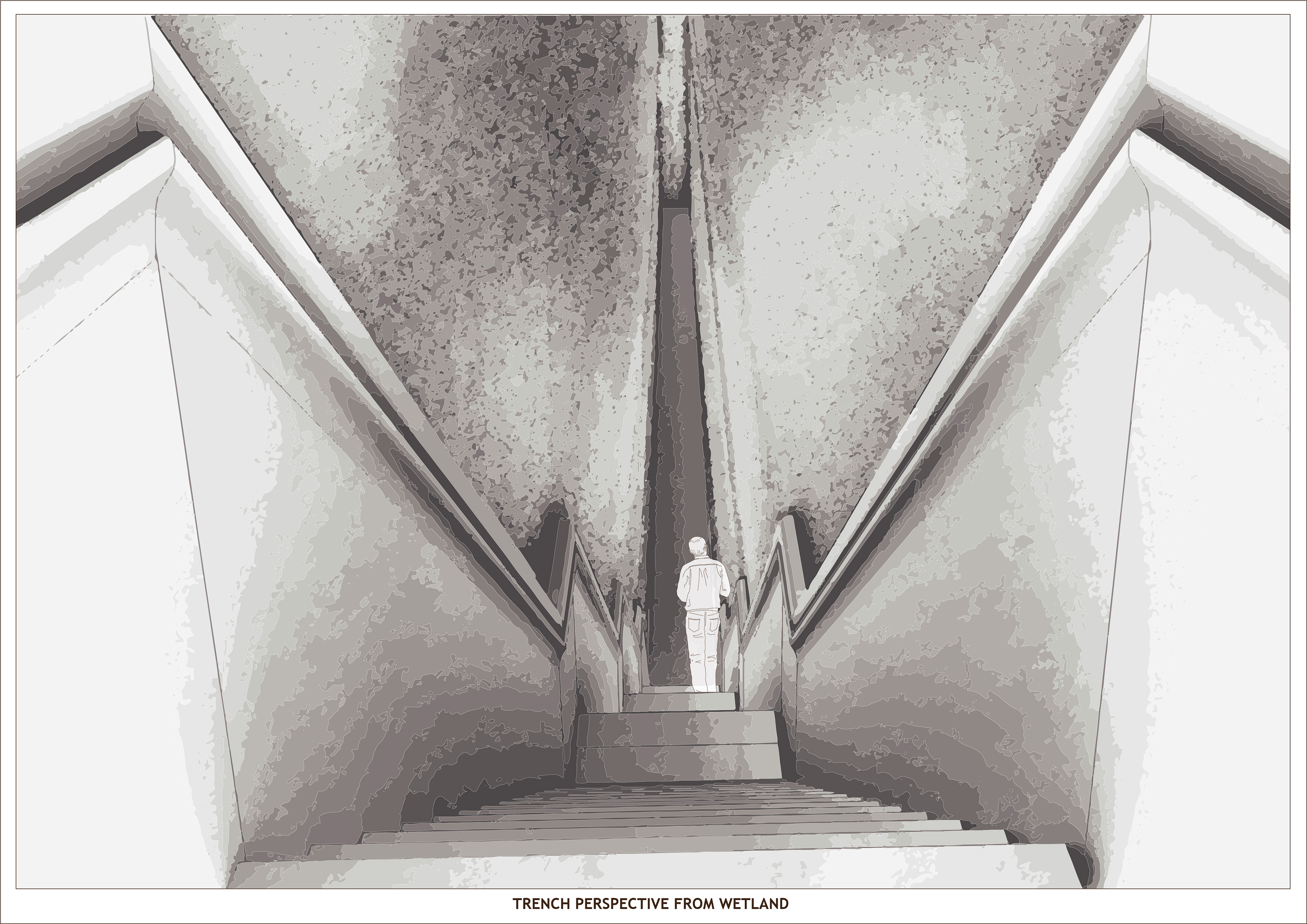
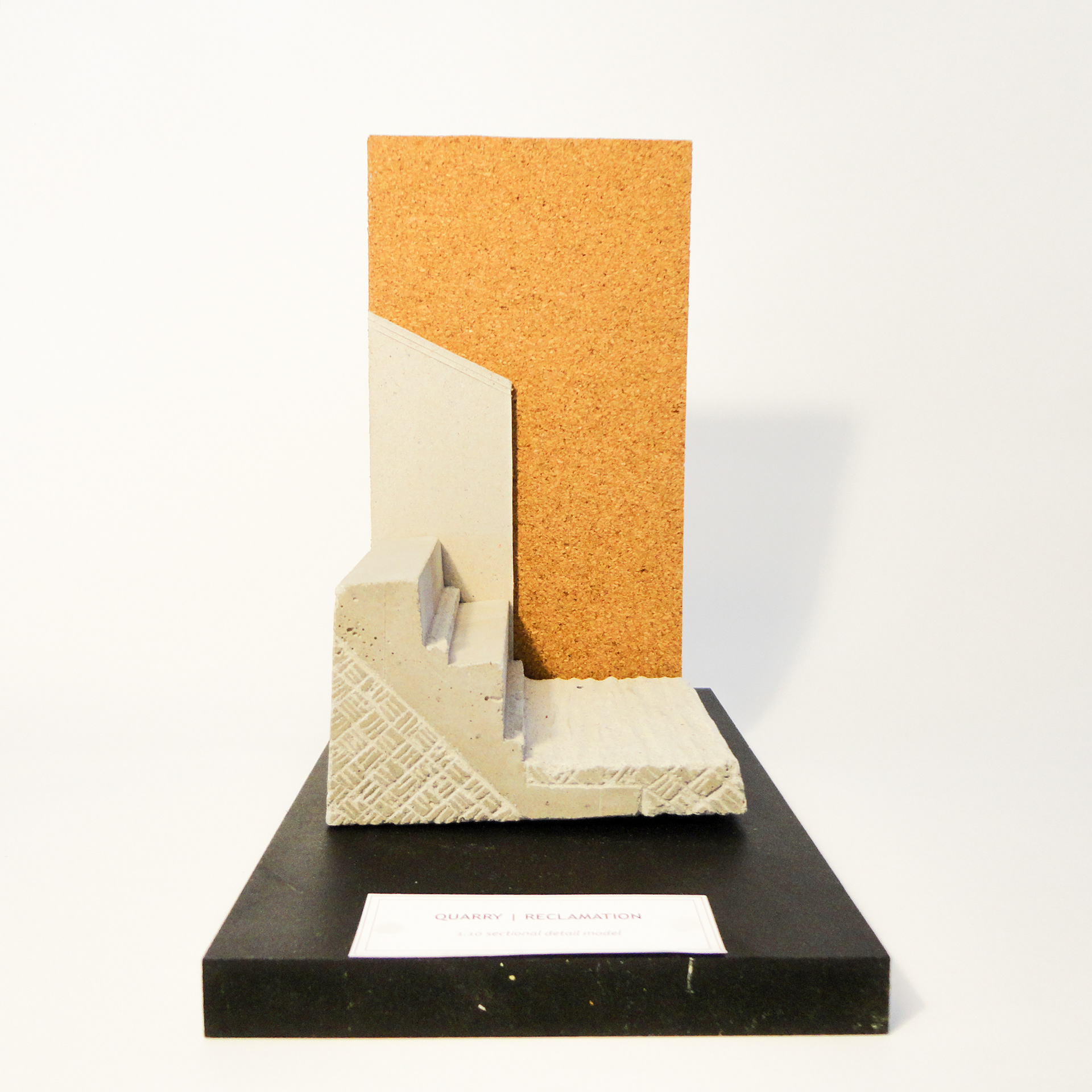
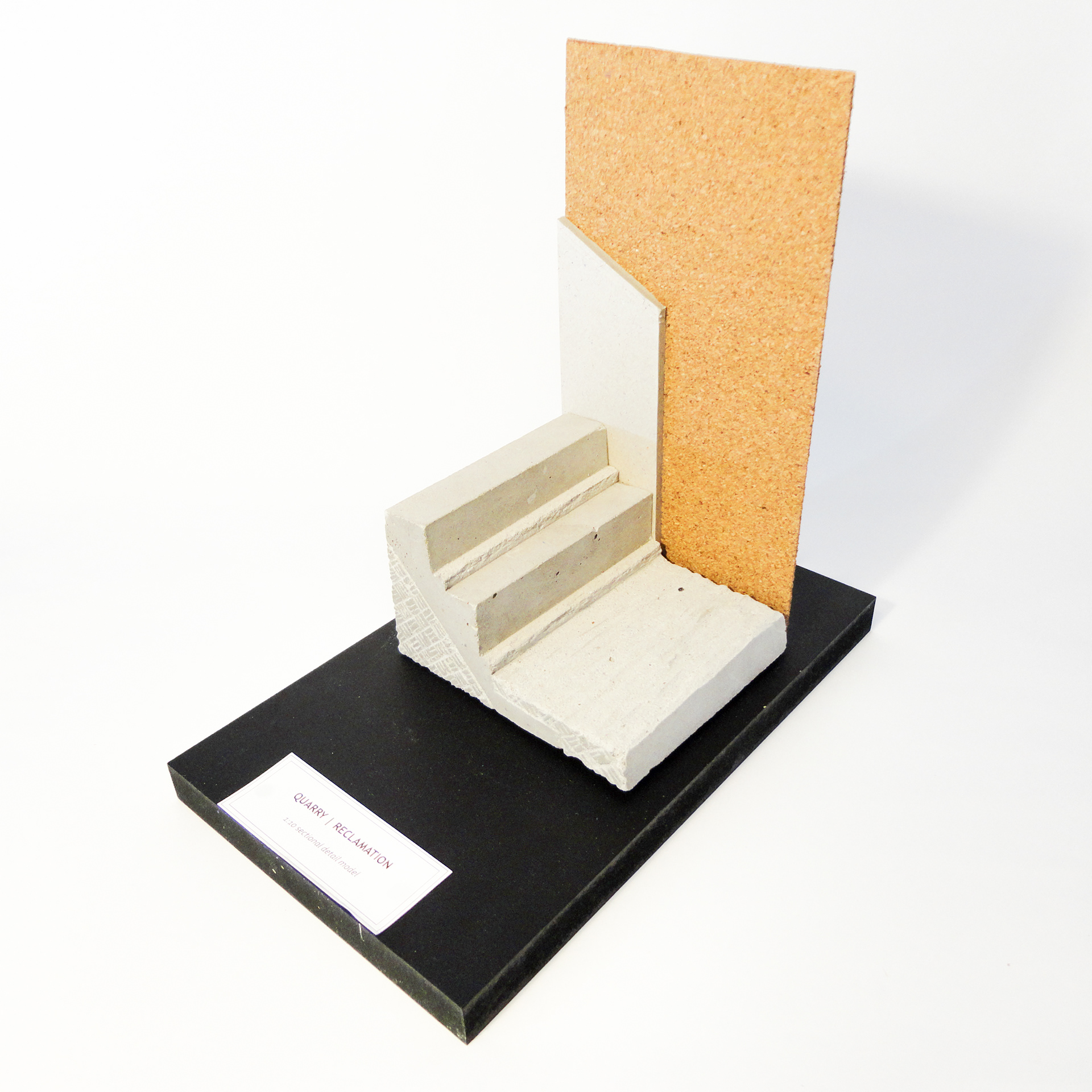
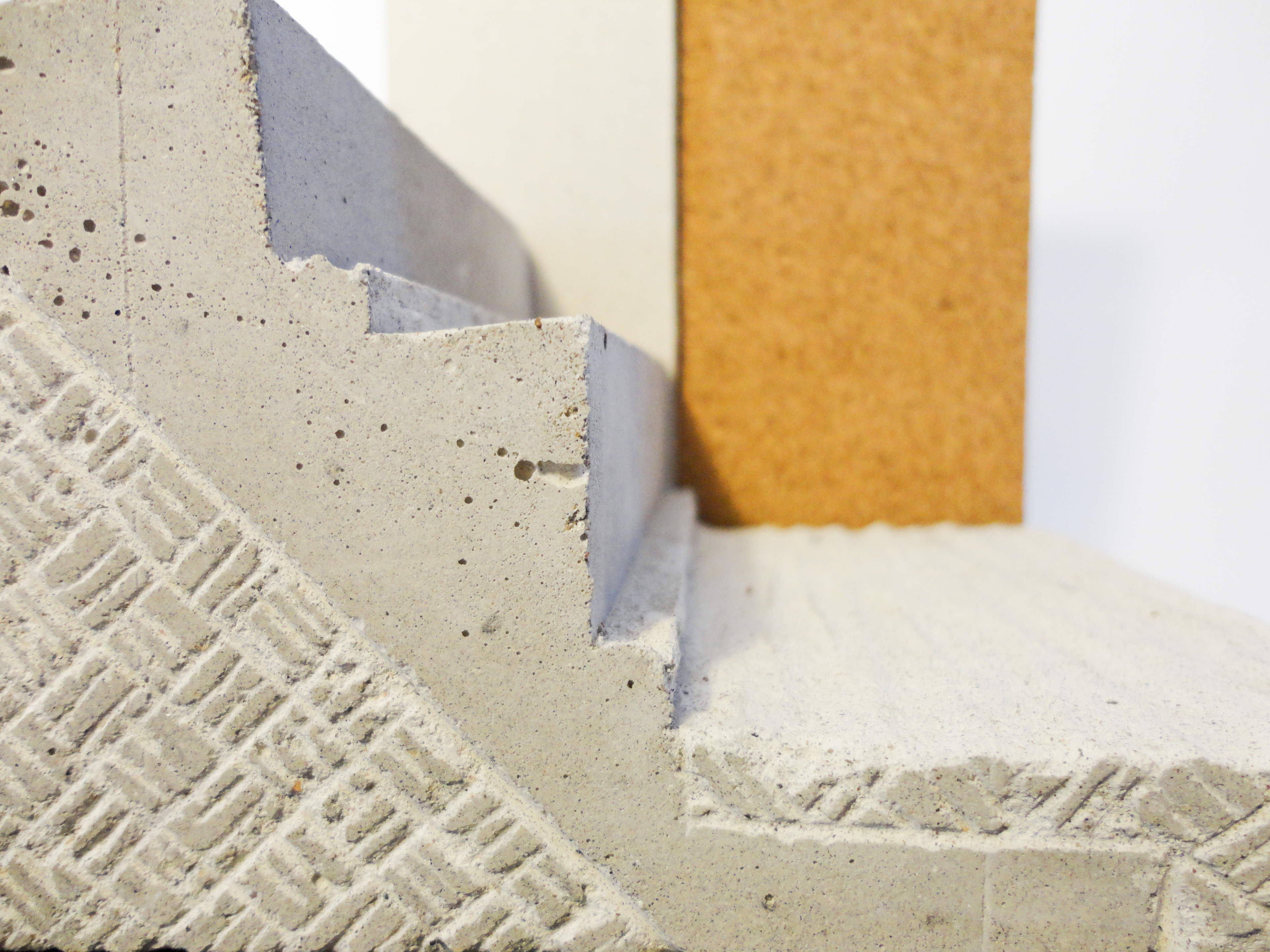
This intervention examines the effects of the quarrying and reclamation on the island in order to bring attention towards it. It draws a cut line in the centre of a single biosolid cell and uses the same method of extraction and substitution as was done while quarrying, to create a pathway towards a pool of dark biosolid water. This pool is a direct representation of the effects of biosolid on the island.